A preschool is an educational institution that provides early childhood education to children before they enter compulsory primary schooling.
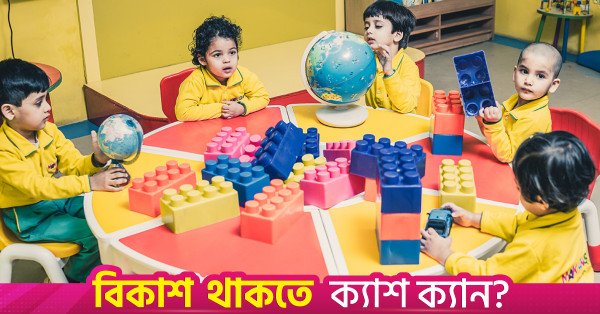
Representational image. Photo: Collected
“>

Representational image. Photo: Collected
Pre-schooling has long been considered the first step in a child’s education.
A preschool, also referred to as a pre-primary school, play school or nursery school, is an educational institution that provides early childhood education to children before they enter compulsory primary schooling.
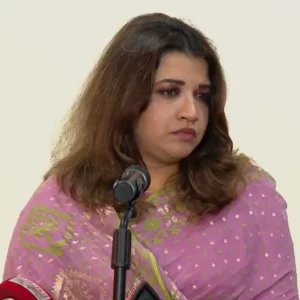
Sadia Jafrin, CEO of the non-profit education research organisation Grow Your Readers, said pre-schooling or pre-primary education is a preparatory stage before formal schooling.


“Levels such as ‘pre-play’ are not part of the formal structure and are often introduced by private institutions without a standard framework,” she said.
She said pre-primary education generally serves children aged three to six and focuses on play-based learning and basic literacy and numeracy alongside physical, mental and social development, with the stage typically divided into nursery or playgroup for ages three to five and kindergarten for ages five to six.
“The aim is to prepare children for primary education, help them socialise and build confidence through activities such as storytelling, drawing and play,” she added.
About The Author