A bonded accessories manufacturer in Chattogram has been found with a shortfall of around 1,335 tonnes of raw materials, potentially putting Tk9.10 crore in customs duties and taxes at risk, according to the Customs Intelligence and Investigation Directorate (CIID).
The discrepancy was detected during an inspection of Jass Accessories (BD) Ltd at North Kattali in Pahartali on 28 September, the National Board of Revenue (NBR) said in a press release today (5 October).
Acting on a tip-off, CIID officials compared the company’s online Utilisation Permission (UP) records with the raw materials physically available at its bonded warehouse.

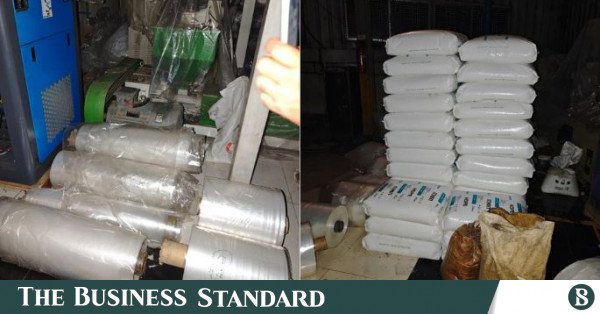
According to the UP records, the warehouse should have contained 1,920,857kg of raw materials. However, inspectors found only 585,581.2kg during the physical verification.
As a result, 1,335,275.8kg, or around 1,335 tonnes, of raw materials listed in the records could not be accounted for, the CIID said.
The missing materials include LDPE, HDPE, LLDPE, PP, GPPS, HIPS, BOPP, duplex board and rubber thread yarn, among others.
The company imports these raw materials duty-free under the bonded warehouse facility for use in manufacturing products for export.
Based on the values declared in the company’s latest Bills of Entry, the missing materials have a total customs-assessable value of around Tk24.97 crore. The applicable customs duties and taxes are estimated at Tk9.10 crore, according to the CIID.
The authorities are now examining the reasons for the discrepancy and whether the materials were properly used in the company’s approved production and export activities.
The investigation will also determine whether the materials were consumed during production but not properly recorded, or removed from the bonded warehouse without authorisation.
Under the bonded warehouse system, eligible export-oriented businesses can import approved raw materials without paying customs duties and taxes upfront, subject to conditions governing their storage, use and accounting.
Companies using the facility are required to maintain records of imported materials and demonstrate that they have been used for authorised production or export-related activities.
The CIID said further legal action would be taken under the applicable laws after the investigation and examination of the relevant documents are completed.
About The Author