Highlights:
- TIB seeks independent probe into Mariam’s death
- Parliament urged to strengthen ethical accountability
- Nazrul currently faces four-day police remand
- TIB raises concerns over abuse of power
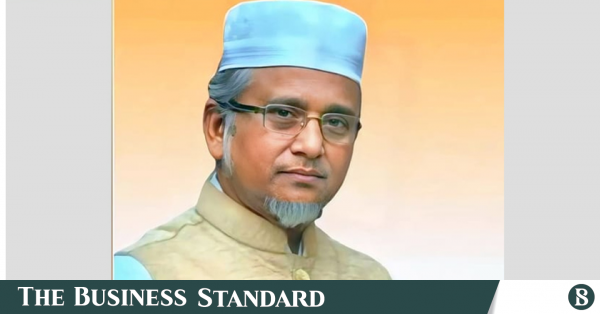
The Transparency International Bangladesh (TIB) has questioned how Satkhira-4 MP Gazi Nazrul Islam can continue to retain his parliamentary membership amid allegations of moral misconduct, abuse of office and influence, and his recent arrest and remand in a case over the unnatural death of Mariam Khatun, whom he had claimed as his second wife.
In a press release today (22 September), the anti-corruption watchdog called for an impartial and independent investigation into Mariam’s death and allegations of sextortion or sexual blackmail preceding it.

TIB also urged the speaker of parliament and the Election Commission to clarify what measures can be taken regarding Gazi Nazrul’s parliamentary status, saying the controversy has raised questions about the dignity and accountability of parliament.
TIB Executive Director Dr Iftekharuzzaman said the allegations must be established before anyone can be held criminally responsible, but argued that Parliament has a separate responsibility to ensure ethical conduct and accountability among lawmakers.
“No one can be held guilty before an allegation is proven. That said, even if no situation has arisen involving a vote against the party, it cannot in any way be acceptable that a person responsible for a situation that is degrading to Parliament and other Members of Parliament continues as a Member of Parliament,” he said.
Gazi Nazrul was expelled from Jamaat-e-Islami following a party investigation that found him responsible for “moral misconduct”. He was subsequently arrested and placed on four-day police remand in a case concerning Mariam’s death.
TIB said the allegations against the lawmaker include an alleged extramarital relationship with 19-year-old Mariam, allegedly securing a job for her in parliament and allegedly promising her father a contractor’s licence and government work.
The organisation also said these allegations, along with the circumstances surrounding Mariam’s death, warrant accountability regarding Gazi Nazrul’s ethics, use of power and public trust.
“Criminal liability will be determined by the court; however, ensuring accountability regarding an MP’s ethics, use of power and public trust is the responsibility of Parliament,” Iftekharuzzaman said.
“Therefore, parliament and the Election Commission must immediately clarify what measures are being taken regarding his parliamentary status,” he added.
Constitutional provision
TIB said Article 66(2)(d) of the Constitution provides that a person is disqualified from being a member of Parliament if convicted of a criminal offence involving moral turpitude and sentenced to imprisonment for at least two years.
Iftekharuzzaman said the allegations, arrest, remand and the outcome of a party investigation do not, by themselves, create a constitutional disqualification for Gazi Nazrul.
“However, Parliament must be protected from a practice whereby this legal threshold is turned into a safeguard for ethical misconduct,” he said.
TIB called for clear provisions on how Parliament should respond to serious ethical misconduct, conflicts of interest, abuse of power and conduct that undermines the dignity of Parliament, including circumstances under which parliamentary membership could be cancelled or a seat could become vacant.
The organisation also called for investigations into all allegations against Gazi Nazrul concerning abuse of office and influence, particularly the allegations of sextortion.
Call for MPs’ code of conduct
TIB also renewed its longstanding demand for a specialised, comprehensive and mandatory code of ethical conduct for elected public representatives.
Iftekharuzzaman said reports and research findings based on information from local-level sources have previously highlighted allegations of moral misconduct by MPs, but effective measures have not been taken.
He said TIB had prepared the draft of the Members of Parliament Conduct Bill, 2010, and called for its passage and the formation of an Ethics Committee with representation from all political parties.
The proposed bill included provisions against using influence for personal interests, conflicts of interest and making recommendations for recruitment, promotion or transfer.
The bill, however, did not become law.
According to TIB, a similar recommendation was later made by the Electoral System Reform Commission following the political changes of 2024. The Anti-Corruption Commission Reform Commission had proposed legislation requiring public representatives to update their asset declarations annually.
The organisation also reiterated its call for an effective code of conduct for elected public representatives in its reform proposals submitted to the government in 2026.
“The problem has been identified, and the way forward is also known. So why is there still no interest in implementation? This question must be answered,” Iftekharuzzaman said.
About The Author