Among the names being floated are LGRD Minister Mirza Fakhrul Islam Alamgir, who is also the BNP secretary general; and Standing Committee members Khandaker Mosharraf Hossain and Dr Abdul Moyeen Khan.
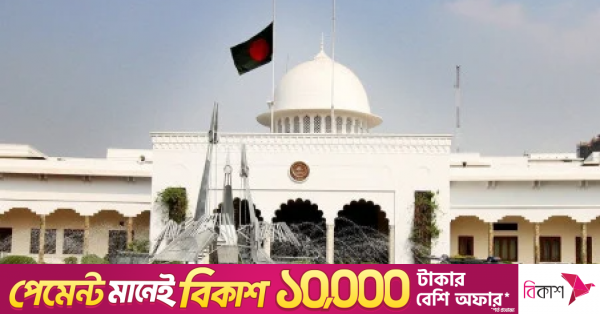
File photo of Bangabhaban. Photo: BSS
“>

File photo of Bangabhaban. Photo: BSS
As Bangladesh looks ahead to appointing a new president following Mohammed Shahabuddin’s resignation yesterday (24 July), political attention has shifted to one key question: who will be the country’s next head of state?
With the ruling BNP holding a majority in parliament, the party is expected to determine the next occupant of Bangabhaban.
While several senior leaders have emerged in media speculation, the party has yet to reveal its choice, leaving open the possibility of a surprise nominee.

Among the names being floated are LGRD Minister Mirza Fakhrul Islam Alamgir, who is also the BNP secretary general; and Standing Committee members Khandaker Mosharraf Hossain and Dr Abdul Moyeen Khan.
None of them has been officially endorsed by the party, with the BNP remaining tight-lipped about its eventual nominee.
The absence of any official indication has also fuelled speculation that the party could even opt for a surprise candidate instead of a veteran political figure.
Former Dhaka University professor, economist and political analyst Mahbub Ullah is also in the running, according to media reports.
Another name circulating on social and legacy media is that of a top bureaucrat currently serving on a contractual appointment. However, existing constitutional and electoral provisions could prevent such a nomination.
Article 48(4)(b) of the Constitution states that a presidential candidate must be qualified for election as a member of parliament.
The Representation of the People Order (RPO) bars anyone appointed on contract to the service of the Republic or a statutory public authority immediately after retirement from contesting parliamentary elections until three years have elapsed since the expiry or termination of that contract.
The same three-year waiting period also applies to those who have resigned or retired from such service.
As a result, if the bureaucrat in question remains on contractual service, or if three years have not passed since the end of that appointment, they would not qualify to contest the presidency under the existing legal framework.
For now, the BNP has yet to announce its nominee, leaving the identity of Bangladesh’s next president uncertain.
About The Author