Dhaka Metropolitan Magistrate Md Siddiq Azad passed the order today (15 May), following a hearing
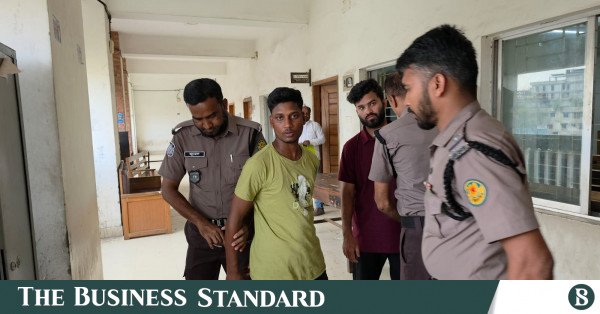
Police escort the accused, Md Abdur Rahman Manik alias Rahat, 28, and Furkan Mia, 22, from the court, 15 May 2026. Photo: TBS
“>

Police escort the accused, Md Abdur Rahman Manik alias Rahat, 28, and Furkan Mia, 22, from the court, 15 May 2026. Photo: TBS
A Dhaka court has placed two individuals on a three-day remand in a case filed under the Cyber Security Act for allegedly creating “deepfake” videos using the image and voice of Islamic speaker Mizanur Rahman Azhari to promote and sell sexual stimulant products.
Dhaka Metropolitan Magistrate Md Siddiq Azad passed the order today (15 May), following a hearing.
The accused sent to remand are Md Abdur Rahman Manik alias Rahat, 28, and Furkan Mia, 22.

Earlier, the investigation officer of the case, Sub-Inspector Shamim Hasan of Paltan Police Station, produced the accused before the court and sought a seven-day remand.
According to the remand application, the accused had been engaged in digital fraud using AI and deepfake technology. The group is allegedly active nationwide and used dollar payments to run Facebook advertisements.
Police said the remand is necessary to identify others involved in producing the stimulant drugs, trace the source of the dollars used in advertisements, determine the distribution of financial transactions, and arrest other members of the group.
The accused were arrested yesterday during separate drives conducted by Paltan Model Police Station in different areas of Dhaka and Chattogram.
According to the case statement, the group had long been carrying out highly organised digital fraud. They collected images and voice samples of popular Islamic speaker Mizanur Rahman Azhari from social media and used artificial intelligence (AI) and deepfake technology to replicate his appearance and voice.
The fake videos were then allegedly used to promote a sexual stimulant product named “Eurosin”, falsely presenting it as endorsed by Azhari. As a result, ordinary people trusted the message and placed orders, believing the product to be genuine.
The group reportedly operated more than 24 fake Facebook pages and websites, including “Azhari Shop”, “Doctor Seba”, and “Halal Shop”, to boost and circulate the videos. They then reportedly delivered the products through courier services on a cash-on-delivery basis, collecting large sums of money from customers.
About The Author