She also calls for stronger coordination, accountability and referral systems to protect vulnerable groups.
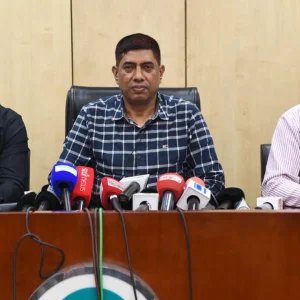
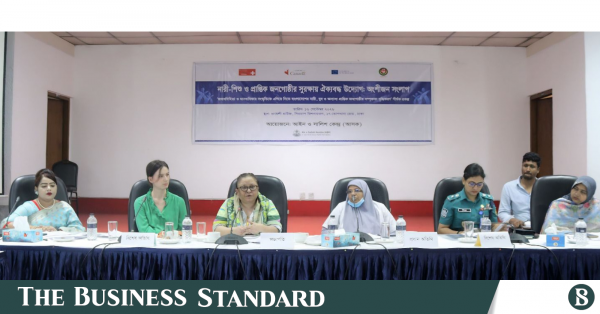
Ain o Salish Kendra (ASK) Executive Director Tahmina Rahman and other speakers talk on stage during a stakeholder dialogue organised by ASK at the CIRDAP auditorium in Dhaka on 16 September 2026. Photo: Courtesy
“>

Ain o Salish Kendra (ASK) Executive Director Tahmina Rahman and other speakers talk on stage during a stakeholder dialogue organised by ASK at the CIRDAP auditorium in Dhaka on 16 September 2026. Photo: Courtesy
Bangladesh has “very inadequate” shelter homes for women, children and marginalised groups, said Ain o Salish Kendra (ASK) Executive Director Tahmina Rahman today (16 September).
“Shelter homes in the country are very inadequate, very few in number. Besides women, children and marginalised groups, people with disabilities who face abuse and third-gender citizens also need shelter support,” she said.
She made the remarks at a stakeholder dialogue organised by ASK at the capital’s CIRDAP auditorium today on protecting women, children and marginalised groups.

Representatives of government institutions, legal aid organisations, human rights groups, NGOs, journalists, lawyers and civil society attended the dialogue.
In her welcome speech, Tahmina called for better coordination among stakeholders and stronger accountability to address the challenges in protecting women, children and marginalised groups.
“Although there are various laws, policies, and government and private service systems for protecting human rights, there are still some gaps in effective implementation, quick remedies, access to services and inter-institutional coordination,” she said.
Speakers at the dialogue called for coordinated and effective initiatives by government institutions, legal aid organisations, NGOs, civil society and other stakeholders to ensure the rights and protection of women, children and other marginalised groups.
Participants also discussed ways to promote human rights practices, improve access to legal aid and make existing protection mechanisms more effective.
Among the recommendations raised were expanding public awareness programmes in remote areas for marginalised communities, ensuring the inclusion of people with disabilities and third-gender people, strengthening referral systems, and increasing online awareness and publicity on the rights and protection of women, children and other marginalised groups.
Rezmin Sultana, additional district and sessions judge and a representative of the Bangladesh Legal Aid Services Directorate; Liza Begum, deputy commissioner of police of the Women Support and Investigation Division; and Ivy Akter, legal officer of the Department of Women Affairs, among others, were present.
About The Author