The top court has been examining the issue of new hydroelectric projects on the Ganges for the last 13 years after devastating floods killed over 5,000 people in the Kedarnath region.
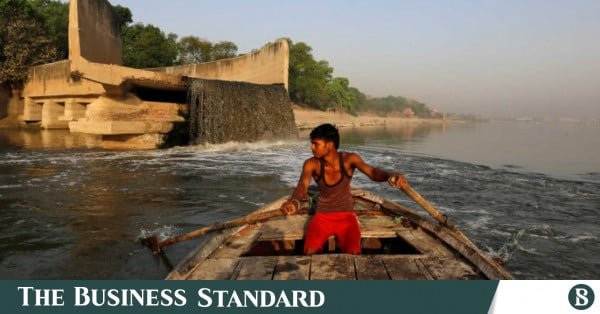
Untreated sewage flows from an open drain into the Ganges River, India. Photo: REUTERS/Danish Siddiqui
“>

Untreated sewage flows from an open drain into the Ganges River, India. Photo: REUTERS/Danish Siddiqui
Citing the fragile Himalayan ecosystem, the Indian government has told the Supreme Court that no new hydroelectric project would be undertaken in the upper reaches of the Ganges River.
In an affidavit filed recently before the court, the government, represented by Additional Solicitor General Aishwarya Bhati, submitted that the Ganges River system requires “special treatment” because of its ecological, geological and cultural significance.
The top court has been examining the issue of new hydroelectric projects on the Ganges for the last 13 years after devastating floods killed over 5,000 people in the Kedarnath region.

The apex court had earlier put a moratorium on new projects and asked the environment ministry to constitute a committee to examine the impact of such projects.
However, the government urged the top court to allow seven hydel power projects in the Alaknanda and Bhagirathi river basins, subject to strict environmental safeguards.
Alaknanda and Bhagirathi basins contain critical headstreams of the Ganges and play an important role in maintaining river biodiversity and ecological balance, the government said.
According to the government’s argument, the seven projects should be allowed because they are either commissioned or have made substantial progress in construction.
The affidavit said the damage to the environment, including the health of the Ganges, was far greater than the financial benefits of hydro power projects.
Earlier expert recommendations favouring an increase in the number of hydropower projects failed to adequately assess the cumulative environmental impact of multiple dams and other human activities in the ecologically fragile Himalayan region, it said.
About The Author