Sattar stressed that the upcoming national budget will need to strike a delicate balance
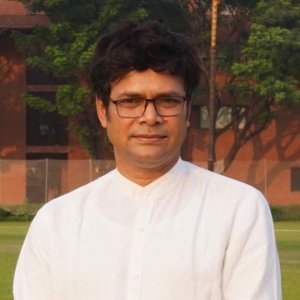
Policy Research Institute of Bangladesh (PRI) Chairman Dr Zaidi Sattar. Photo: UNB
“>

Policy Research Institute of Bangladesh (PRI) Chairman Dr Zaidi Sattar. Photo: UNB
Macroeconomic stabilisation alone will not be sufficient to restore high and sustainable growth in Bangladesh, Policy Research Institute of Bangladesh (PRI) Chairman Dr Zaidi Sattar said today (21 May), calling for a bold new phase of productivity-enhancing reforms ahead of the fiscal year 202-27 budget.
He made the remarks while chairing the PRI’s Monthly Macroeconomic Insights event titled “Restoring Growth through Productivity Reforms: Pre-Budget Priorities” at the PRI conference room at Banani.
“The six reform pillars identified in our report: rationalising tariffs, revamping trade openness, radically reforming the tax system, improving the investment climate, reforming the energy sector, restructuring state-owned enterprises, promoting FDI, and investing in critical infrastructure, together outline a coherent pathway towards restoring competitiveness and growth dynamism,” Sattar said.

He acknowledged that Bangladesh has demonstrated remarkable resilience over recent years in the face of multiple global and domestic shocks, including the pandemic, global inflationary pressures, geopolitical disruptions, and energy market volatility.
The PRI Chairman, however, cautioned that the economy now stands at a crossroads. “Growth has slowed significantly, investment momentum has weakened, inflation remains elevated, and vulnerabilities in the fiscal, financial, and energy sectors continue to constrain policy space.”
On the positive side, he noted encouraging signals: export recovery, robust remittance inflows, improved foreign exchange reserves, and resilient PMI indicators, suggesting the country retains strong underlying economic potential.
Sattar stressed that the upcoming national budget will need to strike a delicate balance between maintaining macroeconomic discipline and supporting growth recovery.
He flagged critical concerns around revenue mobilisation, expenditure efficiency, subsidy management, debt servicing pressures, and the effectiveness of public investment execution, describing these as “not merely accounting issues” but fundamental questions of state capacity and long-term development sustainability.
With Bangladesh approaching its post-LDC graduation, the PRI Chairman underscored the urgency of export diversification, integration into global value chains, and adoption of a modern industrial policy framework.
“Bangladesh can no longer rely solely on traditional drivers of growth; future competitiveness will depend on productivity, innovation, policy predictability, and openness to investment and technology,” he said.
Sattar noted that Bangladesh faces daunting challenges in the external sector from shocks not of its own making, and said he will separately offer his insights on industrial policy and trade strategy to navigate the evolving global order.
About The Author