Fashion
1. The Dandy
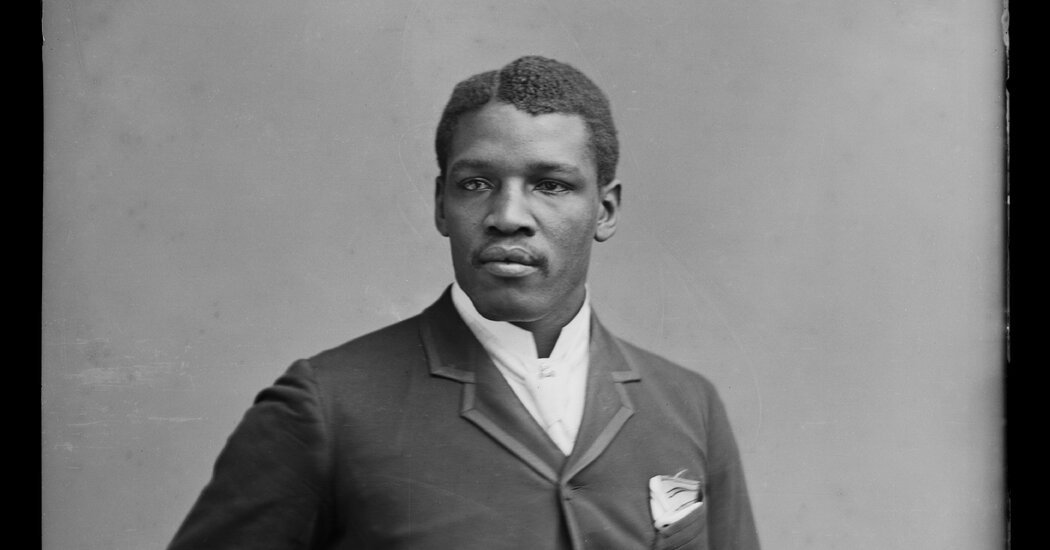
The suit as we know it came from King Charles II’s 1666 declaration to nobility of the English court that he’d teach them to be fashionable, starting with a vest. (A long coat, a petticoat, a cravat, a wig, knee breeches and a hat were all optional additions.) According to a 1928 New York Times article, in the early 19th century, Beau Brummell, a British dandy and friend to Prince George of Wales, “took the cachet of elegance from frills and brocades and put it into starched neckwear and somber coats of impeccable cut.” Brummell “introduced the idea of being chic and elegant,” says Alessandro Sartori, 59, the Italian artistic director of Zegna. “Before him, everything was decorative, with many more elements per outfit. Brummell wore a top hat, but he was starting to clean the silhouette into what we have today. He used dark colors for jackets and a lot of elements we’re still working with, like a light-colored pant with boots or lace-up shoes.”
2. The Lounge Suit
At the end of the 19th century, the lounge suit, an alternative to formal Victorian attire that consisted of long trousers, a waistcoat or vest (often elaborately decorated) and a short coat, became popular. “It was more or less the modern silhouette,” says Sartori. “A regular-length jacket with a matching pant and a top.”
3. The Zoot Suit
The 1940s saw the dominance of the zoot suit, characterized by a long, loose jacket with padded shoulders and high-waisted, tapering trousers. “The performer Cab Calloway [appearing in a white zoot suit in the 1943 film ‘Stormy Weather’] popularized the look, which originated with Harlem drape-suit tailors and was embraced by Mexican American tailors in Los Angeles,” says the New York-based designer Willy Chavarria, 58. (The Chicago retailer and big-band musician Harold C. Fox liked to take credit for the name, which likely derived from jive slang.) “It was empowering, with strong shoulders, a slim waist and loose pants with a slight taper at the ankle and a cuff that emphasized your shoe. It represented the people who were being so terribly assaulted and abused through the racist tragedy that was and still is America. The zoot suit eventually translated into Chicano culture, then Latin culture, then skate culture and then baggier clothes. And then it translated into [Demna at] Balenciaga doing baggy jeans many decades later.”
4. ‘American Gigolo’
In 1980, the Italian designer Giorgio Armani dressed the American actor Richard Gere in soft, unstructured suits for his role in “American Gigolo.” “I remember watching the movie and being blown away,” says the New York-based designer Todd Snyder, 58. “Who is this person? I want to be a designer like that someday.” Armani understood early on how to harness the power of Hollywood to change fashion, Snyder says. “Now you have the Tom Fords of the world. But he was the first.”
5. The Deconstructed Shoulder
Then, in the 1990s, Armani dressed everyone else. “He created a completely different aesthetic,” says Sartori. “He deconstructed the shoulder, making it rounder, lighter and more natural — not thick and padded. His jackets were longer, and he introduced a new color palette with beiges and grays.”
6. The Styled Suit
Around that same time, the Italian industrialist Gianni Agnelli and the American designer Ralph Lauren encouraged men to experiment. “There was Agnelli, with his checked blazer and trousers of a different pattern, and Ralph, with his ripped jeans and British-inspired blazer,” says the Italian designer Brunello Cucinelli, 72. “Agnelli was the king of style, specifically of small details: wearing his watch on top of his cuff, his pocket squares. Ralph veered more toward what was trendy, with denim and cowboy boots. Before these two, men dressed more ordinary. You had a beautiful, tailored suit, but that’s all it was. They introduced a taste for mixing and matching.”
7. The Shrunken Suit
In 2003, the American designer Thom Browne debuted his first ready-to-wear collection, featuring what would become his signature shrunken gray suits, during New York fashion week. “He’s a master of what he does and deserves a lot of credit, but it was already happening,” says Snyder, particularly at Comme des Garçons Homme Plus, where in the 1990s the brand’s founder, Rei Kawakubo, had introduced shrunken boiled-wool suits with raw edges. But even if Browne didn’t invent slimmer suiting, he “definitely underlined that moment.”
8. The Slim Suit
With the success of the TV show “Mad Men” (2007-15), slimmer suiting made a comeback. “I was head of men’s wear at J.Crew back then,” says Snyder. “In 2008, I designed the Ludlow [suit, with a jacket lightly padded at the shoulders] to embody the ‘Mad Men’ era. The Don Draper character was cool and confident, with a swagger. The suit got slimmer — the armhole got higher and the chest, lapel and tie all got narrower.”
These interviews have been edited and condensed.
More in Fashion
See the rest of the issue
About The Author