The minister says that inflation will not increase in that way. Because compared to the global rise in fuel prices, the increase in Bangladesh has been quite modest
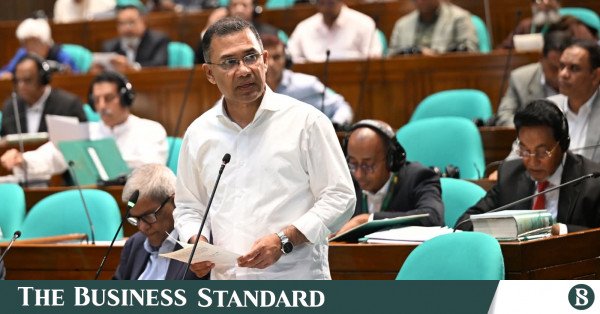
The file photo of Minister Khandaker Abdul Muqtadir. Photo: Collected
“>

The file photo of Minister Khandaker Abdul Muqtadir. Photo: Collected
Commerce Minister Khandakar Abdul Muktadir today (20 April) said the recent increase in fuel prices is unlikely to significantly drive up inflation, offering an explanation in parliament.
During the question-answer session, in a supplementary query, Brahmanbaria-2 MP Rumeen Farhana said that due to the ongoing conflict between the US and Iran, both the price and availability of fuel have become uncertain.
She noted that Bangladesh’s inflation had remained in double digits for a long time and is now slightly above 9%, particularly in food items, and asked what measures the government would take to control it.

In response, the commerce minister said, “First of all, inflation will not increase in that way. Because compared to the global rise in fuel prices, the increase in Bangladesh has been quite modest.”
He said that in the United States, fuel prices vary from state to state due to taxes. Before the war began, prices in many states ranged between $2.70 and $2.80 per gallon (around 4.5 litres), which have now risen to over $5 in different states.
He added that compared to neighbouring countries or economies similar to Bangladesh, prices of petroleum goods have increased significantly in many places, and in several countries, fuel price adjustments are automated, meaning they are triggered automatically without government intervention.
Muktadir said that in Bangladesh, the price of diesel has increased by 15%, from Tk100 to Tk115 per litre. “To explain, in an industrial factory, fuel accounts for about 7-8% of the total cost of production, depending on the manufacturing sector. If we consider that 7-8% as 100%, then a 15% increase in diesel price has a limited impact,” he said.
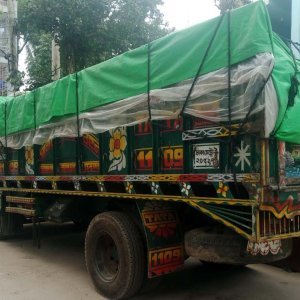
He further explained that in transportation, a bus consumes around 25-30 litres of diesel to travel 200 kilometres. For 30 litres, the cost increase amounts to Tk450. “If we calculate this for goods transport by truck, the impact of that 30 litres falls on around 10,000 kilograms of goods.
“So while it may seem that fuel prices have increased significantly, when calculated per unit of transported goods, the increase is not strong enough to drive inflation,” he said.
The minister added that no economy can be taken to a point where its fundamental balance becomes imbalanced. “Countries around the world have adopted similar policies, and we have done so modestly and moderately.”
Today’s sitting, part of the 17th day of the first session of the 13th parliament, was chaired by Deputy Speaker Kaysar Kamal.
Last Saturday, the government increased retail fuel prices at the consumer level, citing rising global oil market trends. The new rates came into effect from 12am Sunday.
As per the latest adjustment, diesel price has been raised by Tk15 per litre, octane by Tk20, petrol by Tk19, and kerosene by Tk18 — which means a litre of diesel now costs Tk115, octane Tk140, petrol Tk135, and kerosene Tk130.
About The Author