In a Facebook post after passing her Bangladeshi driving test, she reflects on the country’s road system, questioning inconsistent enforcement, cumbersome public services and the informal networks that make navigating official procedures easier.
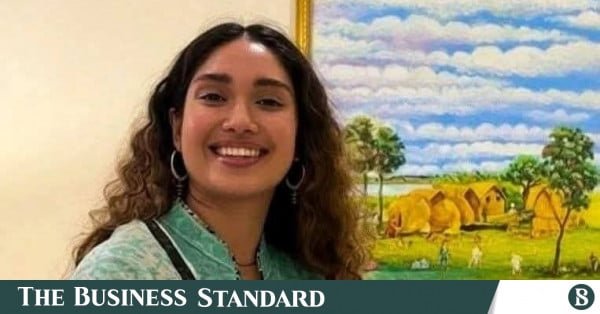
Zaima Rahman, daughter of Prime Min ister Tarique Rahman and granddaughter of former Prime Minister Khaleda Zia. Photo: Collected
“>

Zaima Rahman, daughter of Prime Min ister Tarique Rahman and granddaughter of former Prime Minister Khaleda Zia. Photo: Collected
Barrister Zaima Rahman, daughter of Prime Minister Tarique Rahman, has obtained her Bangladeshi driving licence after passing the driving test on her first attempt but says the experience left her questioning a much bigger problem, why does following the rules feel so difficult in Bangladesh?
In a Facebook post, Zaima compared the experience today (12 August) with her first driving test in London more than a decade ago, which she also passed on her first attempt.
She said the contrast made her think beyond the driving test itself and about the wider relationship between citizens and the systems governing Bangladesh’s roads.

“For many young Bangladeshis, especially young people in Dhaka, there is a fundamental frustration, we are expected to follow rules within a system that does not always feel safe or predictable,” she wrote.
She pointed to the everyday experience of pedestrians and passengers, from crossing busy roads without adequate crossings and navigating obstructed pavements to travelling in vehicles whose fitness, driving practices and safety are often beyond passengers’ control.
Her own experience as a new driver also raised questions about the licensing process, she said including why procedures can seem different for different people, why brokers can make official processes faster and why applicants may wait months for documents even after passing their tests.
Zaima acknowledged the Bangladesh Road Transport Authority’s efforts to digitise services but argued that digitisation has limited value when online processes ultimately require people to visit government offices to resolve problems.
She said such gaps create opportunities for brokers, as people may turn to intermediaries not because they want to break rules but because official procedures become difficult enough to make a middleman appear to be the easiest option.
She also questioned selective enforcement of traffic laws, saying public respect for rules weakens when people see unfit vehicles, reckless driving and other violations continuing around them.
Referring to the 2018 student road-safety movement, Zaima said many of the concerns raised by students eight years ago remain unresolved.
She called for a broader approach to road safety, one that focuses not only on licences, vehicles and punishment, but also on equal access to public services, consistent enforcement, effective complaint mechanisms and safer road design.
The question, she argued, should no longer be simply how to make citizens follow the rules, but how to build a system in which everyone can reasonably be expected to follow them.
About The Author