Rangpur-4 lawmaker calls for institutional reform, warns against propaganda and geopolitical risks in parliament
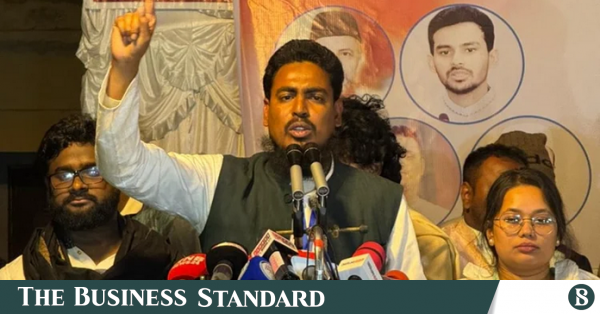
National Citizen Party (NCP) Member Secretary Akhtar Hossain speaks at a roadside election rally in Rangpur on 1 February 2026. Photo: BSS
“>

National Citizen Party (NCP) Member Secretary Akhtar Hossain speaks at a roadside election rally in Rangpur on 1 February 2026. Photo: BSS
Rangpur-4 lawmaker Akhter Hossen has said that although Sheikh Hasina and Awami League were removed from power through a mass uprising, elements of “fascist structure” still remain embedded within the state apparatus.
He made the remarks while taking part in the discussion on the motion of thanks on the President’s speech in parliament today (27 April), with Deputy Speaker Kaisar Kamal in the chair.
Akhter, also member secretary of National Citizen Party (NCP), said thousands of students and civilians were killed or permanently injured during the July Uprising, describing the current parliament as a symbol of that anti-fascist unity.

He demanded state recognition for those killed, injured and detained during the uprising, highlighting their sacrifices.
“We wanted to build a new Bangladesh based on policy-driven politics rather than violence and muscle power. But we have not yet reached that stage,” he said.
He criticised the passage of ordinances without detailed discussion, stressing that parliament should function not only as a lawmaking body but also as a platform for developing well-considered legislation in the public interest.
The lawmaker also pointed to systemic weaknesses in public services, saying that even basic needs such as securing a hospital bed often require recommendations from members of parliament.
“If administrative and service sectors functioned institutionally, people would not face such hardships,” he said, calling for stronger service delivery mechanisms to ensure access at people’s doorsteps.
Warning about disinformation on social media, he said “fascist forces” are attempting to create divisions through propaganda and urged people not to be influenced.
Referring to regional geopolitical risks, he said there are efforts to trigger a new influx of refugees into Bangladesh, similar to the Rohingya crisis, and stressed the need for national unity to protect the country’s sovereignty.
He also demanded the implementation of the Teesta mega project, noting that the river – considered the lifeline of the northern region – dries up during the dry season.
“All must unite, regardless of political affiliation, to implement projects linked to national interest,” he said, rejecting any form of foreign interference.
Concluding his speech, Akhter called for reform of what he described as a decaying state structure to realise the aspirations of the mass uprising.
“We may have differences in policy, but there can be no division when it comes to Bangladesh. The sacrifices of the martyrs have placed a great responsibility on us and we cannot afford to fail,” he said.
About The Author