Although domestic demand for eel remains limited, exporters say strong demand in international markets has created opportunities for the fish collected from natural sources to be shipped abroad.
TBS Illustration
“>

TBS Illustration
Highlights:
- Bangladesh’s live fish exports have tripled over the past decade
- Eel is a major contributor to Bangladesh’s growing live fish exports
- China leads demand, alongside Japan, Hong Kong, Thailand and Vietnam
- Natural harvesting creates challenges in maintaining consistent eel supply
- Researchers advocate artificial breeding and farming to sustain exports
- Processing eel into canned products could unlock higher export value
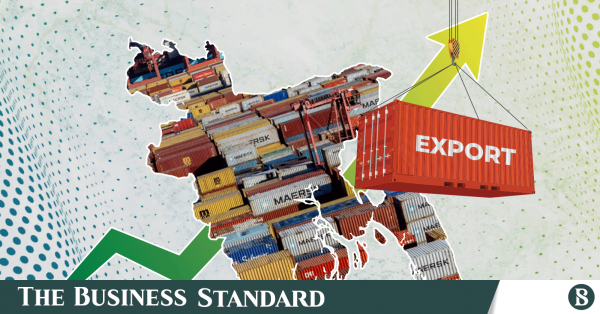
Eel fish, which grows naturally in haors, beels and other water bodies across Bangladesh, has emerged as a major live fish export product, helping drive a more than threefold increase in the country’s live fish exports over the past decade.
Although domestic demand for eel remains limited, exporters say strong demand in international markets has created opportunities for the fish collected from natural sources to be shipped abroad.

According to the Export Promotion Bureau (EPB), Bangladesh earned $8.05 million from live fish exports in FY2016-17. The figure rose to $25.98 million in FY2025-26, marking a 222.7% increase over the decade.
Recent trade data also indicate continued growth. Bangladesh earned $15.06 million from live fish exports during July-December of FY2025-26, up 5.98% from $14.21 million in the same period a year earlier.
Infograph: TBS
“>

Infograph: TBS
Exporters say eel accounts for a significant share of live fish exports. With relatively low domestic demand, most eel collected from natural sources can be exported.
Mahmudur Rahman, proprietor of exporter HIS Investment, told The Business Standard that the company exports almost all the eel it collects because of limited demand in the local market.
China is the largest market, while Japan, Hong Kong, Thailand and Vietnam are also important destinations, he said. The company makes an average of two shipments a week.
Mahmudur said relatively low prices make Bangladeshi eel attractive in international markets.
Before the monsoon, exporters can receive around Tk300 per kilogram, although prices sometimes fall to Tk180. During Christian festivals, stronger demand can push prices up to around Tk600 per kilogram, he added.
However, exporters face challenges in maintaining consistent quality and supply as the industry relies heavily on naturally harvested eel.
“Alongside natural harvesting, the government needs to focus on artificial breeding and production to ensure a steady supply and maintain export continuity,” Mahmudur said.
Bangladesh currently exports eel to around 15 countries, according to fisheries sector sources. Major markets include Japan, China, Mongolia, Thailand, Malaysia and South Korea.
Researchers warn that continued dependence on natural harvesting could create supply constraints as exports expand. They say developing eel farming and artificial breeding will be crucial to sustaining the industry.
Researchers also see scope for increasing the value of eel through processing into higher-value products such as canned food.
Dr Paresh Kumar Sharma, head of the eel fish research team at Bangladesh Agricultural University, said eel can be processed into safe, nutritious and long-shelf-life canned food. Scientific rearing after collection from natural sources can also improve its quality, he said.
Eel contains omega-3 fatty acids and has medicinal value, according to Paresh.
His research team has experimentally produced canned eel using temperature control, hygienic processing, quality packaging and preservation technologies.
However, limited access to authorised quality-testing facilities remains a challenge for the sector, he said. BSTI approval could encourage agricultural businesses to invest in commercial canned eel production and create new export opportunities, he added.
Research is also underway on artificial production of eel fry, Dr Sharma said. Successful breeding could reduce reliance on natural harvesting and help ensure a consistent supply of quality eel, creating scope for further expansion of the export-oriented industry.
About The Author