Supply of edible oil in the market is yet to return to normal even after prices were raised in September, fuelling consumer fears that prices could go up yet again before the upcoming Ramadan.
A visit to different kitchen markets and grocery stores across the capital shows the supply has not fully normalised, with soybean oil being sold above the retail price in some places.
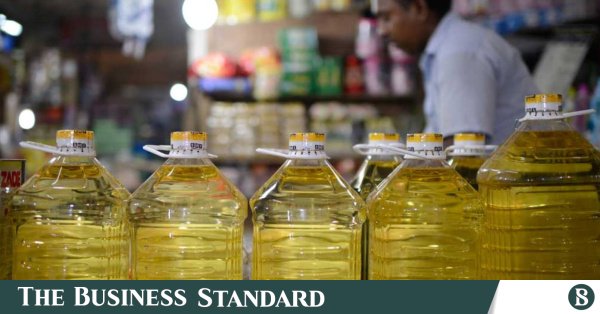
Several grocery stores in Badda, Rampura, Malibagh and Shantinagar were found selling five-litre soybean oil bottles, which carry a retail price of Tk1,000, at Tk5 to Tk20 above that price.

Asked for the reason, Abu Hossain, owner of Hossain Traders in North Badda, said supply of five-litre soybean oil bottles is short in the market.
Following an increase in dealer charges, retailers are unable to make the profit they expect from selling it, he said.
Imran, another grocer in Rampura, said, “We used to make a profit of Tk 20–25 on every five-litre bottle. Now it is just Tk5. It simply doesn’t pay to sell oil at such a margin.”
Traders said most shops are keeping only limited stocks of five-litre bottles. Going by consumer demand, one- and two-litre bottles make up most of their soybean oil stock.
Consumers, however, tell a different story. Soybean oil is currently selling at Tk204 per litre, while the retail price of a five-litre bottle is Tk1,000. Hoping to save Tk20, they look for the five-litre bottles but cannot find them in many shops.
Shoyeb Ahmed, an ordinary consumer from the Rampura Mohanagar Project area, said shopkeepers are charging Tk204 per litre even for five-litre bottles, forcing buyers to pay more than the printed price.
Harunur Rashid, another consumer from Shantinagar, said, “Whenever a product runs short in the market, we can easily tell that traders are scheming to raise its price. Our fear is that they want to raise prices once more before Ramadan.”
Meanwhile, marketing officials of edible oil producing and refining companies, speaking on condition of anonymity, said the Bangladesh Vegetable Oil Refiners and Vanaspati Manufacturers Association has already written to the Trade and Tariff Commission recommending an increase in soybean oil prices.
Inquiries at the Trade and Tariff Commission revealed that the association sent the letter on 13 October. Oil traders have recommended that the government raise the price of soybean oil by Tk14 per litre, though the commission has not responded.
Traders claim they had pushed for a substantial price hike in September as well, but the government raised the price by only Tk5 per litre.
They said they accepted the decision on the assurance that prices would be raised again later.
The companies say that, owing to higher raw material prices and transport costs in the global market, they are now spending more than Tk230 to produce each litre of oil, while having to sell it at Tk204.
Citing losses, they wanted to raise prices in the last week of October, but the Commerce Ministry did not respond.
Addressing a press conference on 28 October, Commerce Minister Khandakar Abdul Muktadir said the government has no plan to raise edible oil prices before Ramadan. He said the decision was taken with consumers’ relief in mind.
Market experts, however, believe the companies are trying to stir up instability in the oil market well ahead of Ramadan.
In particular, they say, an attempt is under way to put pressure on the market system by creating an artificial shortage in the age-old manner.
Abdul Bayes, a market economist and former vice-chancellor of Jahangirnagar University, said, “If we think of the state, we must think of consumers’ rights. Oil traders are trying to put the government under pressure. But if the government remains firm, they will not succeed.”
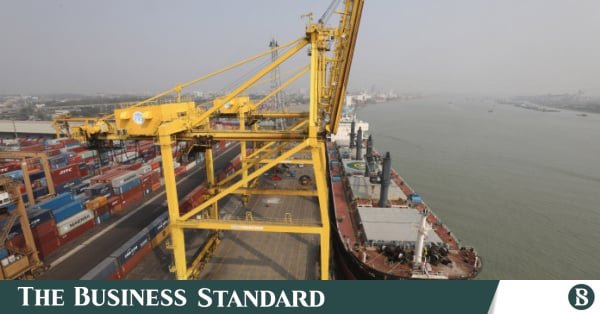
According to the Bangladesh Trade and Tariff Commission, the country’s annual demand for edible oil stands at 2.4 million tonnes, around 90 percent of which is met through imports. The government largely depends on private companies to import this huge volume of oil.
The economist urged the authorities to ensure that traders do not take advantage of this dependence to hold consumers hostage.
The Commerce Ministry said the Directorate of National Consumers’ Rights Protection is continuing its drives every day to ensure that no crisis is created in the oil market and that hoarders are not given any leeway.
The ministry has also urged consumers to lodge complaints with the directorate’s hotline, if they face any irregularity or fraud while buying products, including being charged higher prices for oil.
About The Author