Money changers set new rates amid open market volatility
Representational image. Photo: Collected
“>

Representational image. Photo: Collected
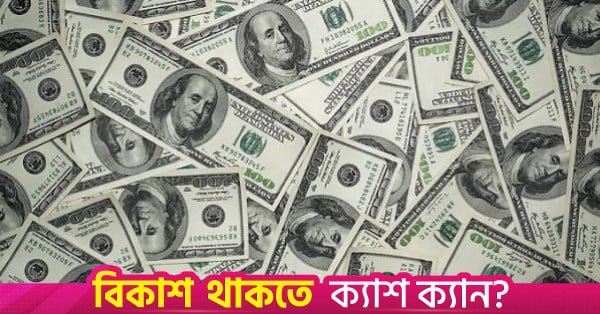
The Money Changers’ Association of Bangladesh (MCAB) has set new open market exchange rates for the US dollar, with money changers to buy the currency at Tk125.50 and sell it at Tk126.50.
MCAB President MS Zaman announced the rates at a press conference at the association’s central office in Dhaka today (24 August).
Zaman said all money changers across the country were being informed of the new rates through the association’s website.

Addressing volatility in the dollar market, he blamed banks rather than money changers for creating instability.
“The scope of the money changer sector is extremely limited, leaving no room to manipulate or ‘game’ the market,” he said.
He claimed that some banks had made huge profits by creating instability in the dollar market during the post-Covid period, while money changers were often blamed whenever volatility emerged.
Zaman said money changers only deal in cash foreign currency and do not conduct electronic or virtual currency transactions. Nor can they directly bring in remittances.
He said cash foreign currency brought into Bangladesh by returning passengers and expatriate workers is the main source of money changers’ business.
“When expatriates bring their hard-earned cash into the country, money changers buy it and bring it into the legal channel. Through this, they indirectly help increase the country’s foreign exchange reserves,” he added.
Denying that money changers have the capacity to control dollar rates, Zaman questioned their ability to influence the wider market.
“How much capital or capacity do money changers have to control the dollar rate? The central bank is the driving force of the country’s economy and determines monetary policy. Yet, whenever there is market instability, money changers are accused of raising rates,” he said.
He further said that while Bangladesh Bank buys and sells dollars in the interbank market and sets prices for scheduled banks, there are no clear and specific directives for money changers.
He called for an end to the disparity and demanded simpler policies to expand opportunities for legal dollar transactions and curb the illegal market.
Zaman also said a list of illegal and unlicensed money changers had been submitted to Bangladesh Bank, law enforcement agencies and journalists to facilitate legitimate business operations.
He asserted that money changers were strictly following Bangladesh Bank’s written directives for controlling the market.
About The Author