The new platform introduces a sequential workflow that prevents users from bypassing any step in the process.
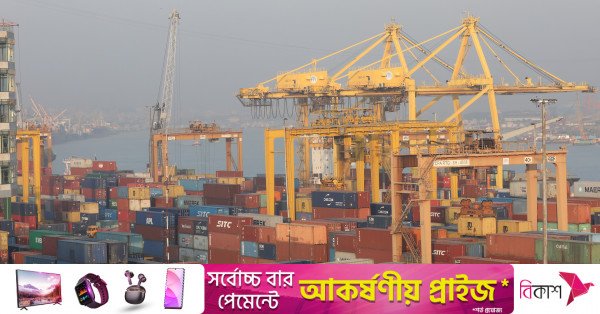
Representational image. Photo: Mohammad Minhaj Uddin
“>

Representational image. Photo: Mohammad Minhaj Uddin
Highlights:
- All cargo release documents now processed digitally.
- Manual paperwork eliminated from container release operations.
- Digital system to boost efficiency and transparency.
- Users can track cargo clearance online in real time.
- CPA aims to build a fully paperless, modern port.
- Port handles about 90% of Bangladesh’s seaborne trade.
The Chattogram Port Authority (CPA) has completed another step in its digital transformation by launching a fully automated Terminal Operating System (TOS) for cargo delivery documentation, eliminating all paper-based processes from container release operations.
The upgraded system, launched today (2 June), enables every stage of the delivery process – from the submission of a Delivery Order (DO) application to the final gate-out of cargo – to be completed entirely through a digital platform, according to a CPA press release.

Although Chattogram Port has used a Terminal Operating System since 2011 to manage vessel movements and container handling within the port, key documentation processes remained partially manual.
Previously, only the electronic Delivery Order (eDO) application and generation were processed online, while the remaining documentation required manual handling. Under the upgraded system, the entire delivery documentation process will now operate within a single digital TOS ecosystem.
According to the port authority, the new platform introduces a sequential workflow that prevents users from bypassing any step in the process. Importers and C&F agents must complete and verify each stage before the system automatically unlocks the next one.
To strengthen regulatory compliance, the TOS has also been integrated with the National Board of Revenue’s ASYCUDA World system in real time.
Under the integration, if customs authorities place a hold or block on a container at any stage, the instruction will automatically appear in the port’s TOS. The system will immediately suspend all subsequent processing until customs clearance is granted.
The CPA said the automation is expected to improve operational efficiency, reduce processing times and enhance transparency across the country’s maritime trade ecosystem.
By removing the need for physical document submission and desk-to-desk processing, the authority expects the new system to save time for clearing and forwarding agents, importers and other port users while reducing paper consumption and printing costs.
The authority also said the digital verification of every step would minimise opportunities for document forgery, fraudulent paperwork and administrative irregularities.
Users will be able to track the status of their documents in real time by logging into their accounts from any location, allowing them to monitor the progress of cargo clearance throughout the process.
The CPA described the upgrade as a milestone in its efforts to transform Chattogram Port into a fully paperless port and strengthen its position as a modern, transparent and efficient gateway for Bangladesh’s international trade.
Chattogram Port is Bangladesh’s principal seaport, handling around 90% of the country’s seaborne import and export trade. The port operates several container and cargo terminals, including the New Mooring Container Terminal (NCT), Chittagong Container Terminal (CCT), General Cargo Berths (GCB) and Patenga Container Terminal (PCT).
In recent years, the port has invested heavily in digitalisation, automation and capacity expansion to improve efficiency and accommodate rising trade volumes. It has also introduced a port community system, expanded online services and integrated various operational platforms with customs and other government agencies to streamline cargo clearance.
The port recorded its highest-ever performance in fiscal year 2025-26, handling 3.52 million TEUs of containers alongside record cargo throughput, vessel calls and revenue, reflecting sustained growth in Bangladesh’s external trade.
The latest upgrade to its Terminal Operating System is part of the authority’s broader strategy to transform Chattogram Port into a fully digital, paperless and internationally competitive gateway for the country’s trade.
About The Author