The Primary and Mass Education State Minister says high-tech investment, innovation and skilled manpower will be key to the government’s goal of building a $1 trillion economy by 2034.
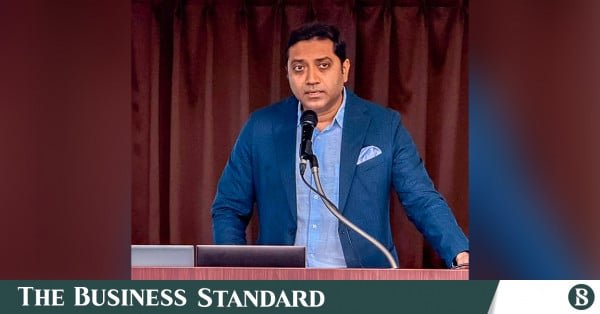
File photo of State Minister for Primary and Mass Education, Bobby Hajjaj. Photo: Collected
“>

File photo of State Minister for Primary and Mass Education, Bobby Hajjaj. Photo: Collected
Bangladesh is in talks with leading global technology companies over potential investment and cooperation in the country, State Minister for Primary and Mass Education Bobby Hajjaj said today (7 October).
He made the remarks while speaking as the chief guest at the opening of the 3rd UMSAILS-UAP Inter-University Moot Court Competition 2026, organised by the University of Asia Pacific (UAP).
Hajjaj said the government is working towards its goal of turning Bangladesh into a $1 trillion economy by 2034, with a focus on high technology, innovation, foreign investment, skilled manpower and the development of a knowledge-based economy.

“Discussions are underway with leading technology companies around the world on the potential for investment and cooperation in Bangladesh,” he said.
He said collaboration with such companies could create new opportunities for the country’s technology sector and wider economy.
The state minister said the young generation would be the country’s biggest strength in transforming the economy. Young people should therefore be prepared not only through academic education but also with technological, research, professional and leadership skills, he said.
He stressed the need to develop skilled human resources capable of adapting to rapid technological changes, particularly as artificial intelligence and digital technologies are changing the nature of work across different professions.
“Technology is not something to be feared. However, its use must be responsible and prudent,” Hajjaj said, adding that technology could make people’s work easier but could not replace human judgement, ethics and a sense of responsibility.
He also urged young people to prepare themselves from now for greater responsibilities in the future, saying a combination of practical experience, knowledge and skills would help them become future leaders.
About The Author