After more than two years of trial, a Dhaka court sentenced 20 people to death and five to life imprisonment on 8 December 2021.
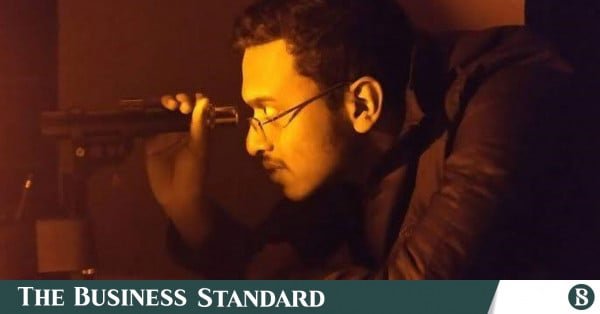
Abrar Fahad was a student of Buet. Photo: Collected
“>

Abrar Fahad was a student of Buet. Photo: Collected
Seven years after the murder of Bangladesh University of Engineering and Technology (Buet) student Abrar Fahad, his family is still waiting for the final verdict and execution of the sentences against those convicted in the case.
A trial court sentenced 20 accused to death and five others to life imprisonment. The High Court later upheld the sentences. However, the judicial process has not yet ended as applications filed by some of the convicts against the High Court verdict remain pending with the Appellate Division.
Abrar’s family says their wait for justice has continued despite verdicts from two courts. They are now frustrated over the lack of progress in executing the sentences.

Abrar’s younger brother Abrar Faiyaz told TBS that his brother’s murder had shaken not only their family but also the country’s political reality.
He said the public anger following Abrar’s murder had an impact on subsequent political changes.
“Fascism began to fall with the murder of Abrar Fahad. But the trial of the murder that contributed to bringing about today’s change has still not ended,” Faiyaz said.
He said the family had been waiting since the High Court verdict in March 2025. Despite contacting relevant authorities, they were told that cases move forward according to their serial.
“The serial can be moved forward. But they are hesitant to do that. We have contacted everyone we needed to. Now we have nothing left to do but wait,” he said.
“We do not know where the obstacle to executing the verdict lies. Now it seems to us that this is nothing but negligence,” Faiyaz added.
Sultan Mahmud Talha, member secretary of the National Citizens Party’s Kushtia district committee, said the movement against fascism began with Abrar’s murder.
“Fascism has been removed and a new government has come. They should take steps to execute the sentences against those involved in Abrar Fahad’s murder quickly. This is not only my demand, but the demand of every person in the country,” he said.
Abrar’s father, Md Barkat Ullah, expressed similar frustration.
“The importance of the Abrar murder case has also declined with the change of government. The execution of the sentences is not only my family’s demand, it is the demand of people across Bangladesh. Yet the verdict is not being executed. This has disappointed not only me but everyone in the country,” he said.
He urged the government to take necessary steps to complete the judicial process quickly.
On 5 October 2019, Abrar posted on Facebook about what he described as unfair agreements with India, including on water sharing. The following night, he was taken to a room at Buet’s Sher-e-Bangla Hall, where he was interrogated and beaten. He died during the torture in the early hours of 6 October. His body was recovered from the hall staircase the next day.
Abrar was a student of Buet’s Department of Electrical and Electronic Engineering. His murder triggered widespread reaction across the country and renewed questions about student politics, violence in residential halls and the influence of the ruling party’s student organisation.
His father later filed a murder case with Chawkbazar Police Station. After investigation, police submitted a charge sheet on 13 November 2019 against 25 Buet students.
After more than two years of trial, a Dhaka court sentenced 20 people to death and five to life imprisonment on 8 December 2021.
The High Court heard the death references and appeals filed by the accused and upheld the sentences on 16 March 2025.
The case, however, did not end there. Several convicts filed applications with the Appellate Division challenging the High Court verdict. The final judicial process must therefore be completed before the death sentences can be executed.
Abrar’s family is now waiting to see when the final verdict will be delivered and the sentences carried out.
About The Author