Education increasingly becoming driver of inequality, speakers warn
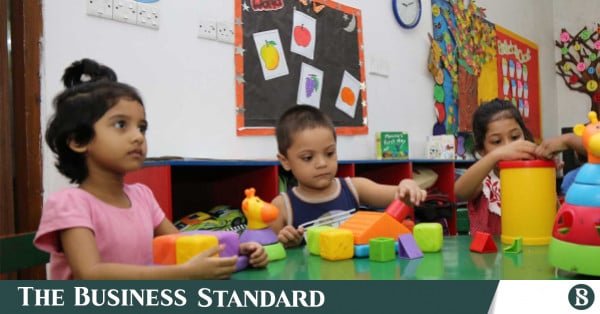
Quality pre-primary education is a must to properly prepare children for the next stages of education, which equips them with the knowledge and talent a skilled nation requires. Photo: Collected.
“>

Quality pre-primary education is a must to properly prepare children for the next stages of education, which equips them with the knowledge and talent a skilled nation requires. Photo: Collected.
Investing in children through early childhood development, education, nutrition, healthcare and family income support is crucial to improving social mobility and building long-term human capital in Bangladesh, experts said at a workshop in Dhaka today (17 May).
“Early childhood development can create a socially mobile population, build a skilled workforce and provide stronger long-term returns on investment compared with interventions introduced later in life,” said icddr,b Emeritus Scientist Jena Hamadani at the workshop held at BRAC Centre.
The workshop, organised jointly by BRAC Institute of Governance and Development and Oxford Policy Management, brought together government officials, researchers, development partners and civil society representatives to discuss the links between poverty, education, social protection and early childhood development (ECD).

Power and Participation Research Centre Executive Chairman Hossain Zillur Rahman warned that education was increasingly becoming a driver of inequality instead of equality.
“Historically, education had been a driver of equality, but now education is driving inequality,” he said, pointing to rising unemployment and declining aspirations among many young people.
Ministry of Social Welfare Secretary Mohammad Abu Yusuf said ministries often face difficult trade-offs in prioritising social protection programmes.
“Investments prioritising our children are investments in our collective future. That is an investment worth making,” he said.
Research and Policy Integration for Development (RAPID) Chairman Abdur Razzaque said Bangladesh could expand lifecycle-based social protection programmes if existing commitments were implemented effectively.
“Bangladesh’s commitment to allocating 3% of GDP could accommodate both the Family Card programme and wider lifecycle-based social protection expansion,” he said.
Statistics and Informatics Division Joint Secretary and Project Director Dipankar Roy stressed the need for stronger collaboration between researchers and the Bangladesh Bureau of Statistics to improve access to public data.
About The Author