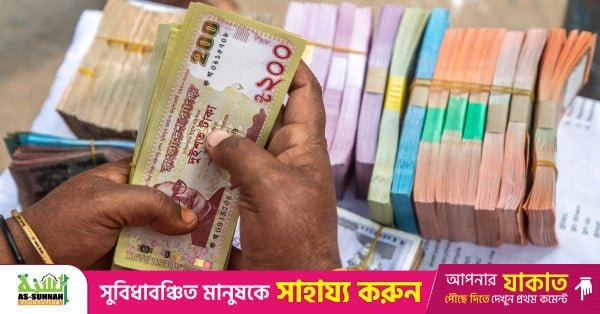
In the inter-bank market, the dollar rose by as high as Tk0.25 in a single day to trade between Tk122.50 and Tk122.55 yesterday.
Representational Image/Mumit M
“>

Representational Image/Mumit M
Highlights
- Taka remained stable against dollar for six months
- Inter-bank dollar rate jumps by Tk0.25 in a single day
- Dollar climbs to as high as Tk122.55 on Sunday
- Rising energy import costs put pressure on exchange rate
- Weaker taka raises concerns over further inflation
The taka weakened sharply against the US dollar yesterday (8 March), snapping six months of exchange rate stability as demand for greenbacks rose to meet growing energy import bills amid the Middle East war.
In the inter-bank market, the dollar rose by as high as Tk0.25 in a single day to trade between Tk122.50 and Tk122.55 yesterday, compared with Tk122.30 on the last working day on Thursday, according to banking sources.

The sudden rise in the dollar price has raised concerns about further inflationary pressure. Consumer inflation already climbed over 9% in February, the highest level in the past 10 months.
Although the Bangladesh Bank had verbally instructed banks to keep the remittance exchange rate at a maximum of Tk122.45, most banks did not maintain the limit, according to industry insiders.

Bankers say exchange houses had already raised remittance rates, forcing banks to buy more dollars from the market to meet growing energy import bills for the Bangladesh Petroleum Corporation as global oil prices increased following the outbreak of the war.
In addition, remittance inflows from the Gulf countries have slowed since last week due to the ongoing war, further tightening the dollar supply in the market, several bankers said, wishing not to be named.
The Bangladesh Bank is likely to step in to sell dollars to retain rates if banks come up with demand, said a senior executive of the regulator.
He noted that the central bank has already stopped purchasing dollars from banks as a precautionary measure as the foreign exchange market shows signs of stress.
Despite yesterday’s rise in the dollar price, no banks approached the regulator to buy dollars, he added.
During the current 2025-26 fiscal year, the central bank purchased about $5.4 billion from the market to prevent excessive appreciation of the taka amid weak import demand caused by sluggish business activity.
Meanwhile, the Reserve Bank of India has also intervened in the market by selling dollars to stem losses in the Indian rupee, which recorded its steepest decline in more than a month, closing above Rs91.47 per dollar in the first week of March, according to media reports.
Recently, the Bangladesh Bank held discussions with economists to assess the potential impact of the war. Experts advised the central bank to allow some exchange rate adjustment in order to protect foreign exchange reserves.
According to the latest data, the country’s foreign exchange reserves stood at $30.76 billion on 5 March, calculated under the methodology of the International Monetary Fund, which is sufficient to cover more than four months of import payments.
About The Author