During the same period, at least 14 children were killed following rape, and 3 were killed after failed attempts of rape.
Ain O Salish Kendra (ASK). Photo: Collected
“>

Ain O Salish Kendra (ASK). Photo: Collected
The Ain o Salish Kendra (ASK) has expressed deep concern over the recent rise in incidents of child abuse, rape and murder across the country.
According to ASK statistics, from January to 20 May 2026, at least 118 children were victims of rape, while 46 others faced attempted rape.
During the same period, at least 14 children were killed following rape, and 3 were killed after failed attempts of rape. In addition, at least 2 children reportedly died by suicide after being subjected to rape.

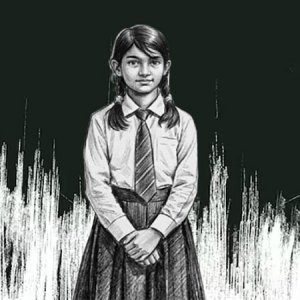
In a statement today (21 May), the organisation said the murder of eight-year-old Ramisa Akter in Pallabi, alongside other recent incidents, has once again exposed the severe weaknesses in the country’s child protection system.
ASK stated that such incidents are not merely isolated crimes; rather, they reflect the failure of the state’s protection mechanisms and a broader crisis of social accountability.
The human rights organisation noted that Articles 28 and 32 of the Constitution of Bangladesh guarantee children’s rights to life, safety and dignity.
The National Children Policy 2011 also recognises the protection, welfare and discrimination-free development of children as a state commitment.
At the same time, Bangladesh, as a signatory to the United Nations Convention on the Rights of the Child, is obligated to prevent all forms of violence, sexual abuse and exploitation against children, the organisation said.
Despite existing laws and policies, ASK observed that lengthy judicial processes and weak investigations often create major obstacles to ensuring justice for children.
“As a result, affected families not only suffer from grief and insecurity but also frequently lose confidence in the justice system,” reads the statement.
ASK stressed that every incident of child abuse and murder must be given the highest priority in judicial proceedings to ensure swift resolution.
It called for investigation agencies to remain fully independent, transparent and free from influence so that no political or social pressure can obstruct justice.
The organisation further emphasised the need to strengthen state monitoring and protection mechanisms to ensure children’s safety in educational institutions, residential areas and digital spaces.
It also urged the strict enforcement and regular monitoring of existing child protection laws.
ASK said child protection cannot remain limited to policy commitments alone; it is a constitutional responsibility of the state, a fundamental duty of human rights and a minimum standard of a civilised society.
“Failure to ensure children’s safety, not only represents a legal failure but also raises questions about the moral and humane standing of the state,” the statement added.
About The Author