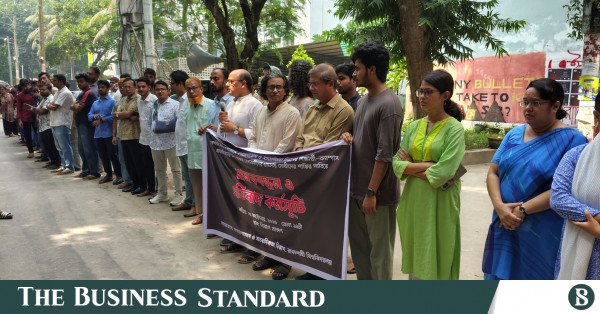
Observed globally on the first Monday of October, World Habitat Day is meant to reflect on the state of human habitats and the right of all people to adequate shelter.
Photo: Mehedi Hasan
“>

Photo: Mehedi Hasan
World Habitat Day today (5 October) spotlights the basic right to adequate housing, a challenge that remains particularly stark in Dhaka, where over three crore live under intense population pressure.
Observed globally on the first Monday of October, World Habitat Day is meant to reflect on the state of human habitats and the right of all people to adequate shelter. This year’s theme is “Adequate Housing for All”.
The theme comes as rapid urbanisation continues to put pressure on cities, highlighting the need for safe and affordable housing alongside planned urban development, environmental protection and adequate civic services.

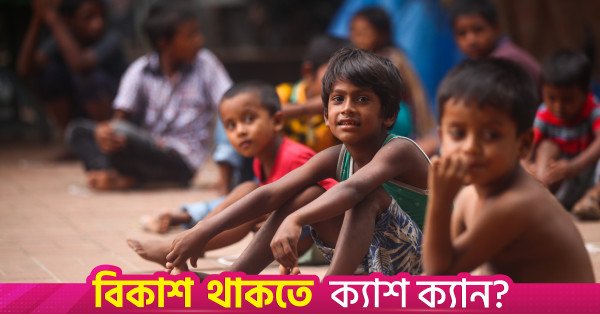
In Dhaka, the housing challenge is visible not only in the city’s densely packed neighbourhoods and slums, but also in the people who spend nights on footpaths, road medians and other public spaces without a secure place to live.
More than half of Dhaka’s street children sleep in slums, with others scattered in terminals, parks, stations, or pavements. Photo: Syed Zakir Hossain
“>

More than half of Dhaka’s street children sleep in slums, with others scattered in terminals, parks, stations, or pavements. Photo: Syed Zakir Hossain
Greater Dhaka covers around 1,600 square kilometres and has a population of about 3.66 crore, meaning more than 22,500 people live in every square kilometre. The city is estimated to have nearly 5,000 slums, with population densities in some reaching as high as 225,000 people per square kilometre.
The pressure on housing is reflected in Dhaka’s position near the bottom of the Economist Intelligence Unit’s Global Liveability Index 2026.
The city ranks 171st among 173 cities, with only Libya’s Tripoli and Syria’s Damascus below it. Pakistan’s Karachi ranks 170th.
For a city under such intense pressure, adequate housing cannot be separated from the wider question of what makes a city liveable.
Safe and affordable homes, access to basic services and planned development are all part of creating an urban environment where people can live with dignity.
World Habitat Day therefore offers Dhaka more than an occasion to discuss housing. It is also a reminder of the scale of the challenge of building a city that can adequately house the people who call it home.
About The Author