Chamber urges American investment in Chattogram Free Trade Zone, Bay Terminal
Representational image. Photo: Collected
“>

Representational image. Photo: Collected
Highlights
- US eyes narrower trade gap with Bangladesh
- US envoy urges stronger B2B links between American and Bangladeshi companies
- Business leaders seek US investment in Free Trade Zone, Bay Terminal and deep-sea ports
- Ease of doing business key to attracting more US investors, envoy says
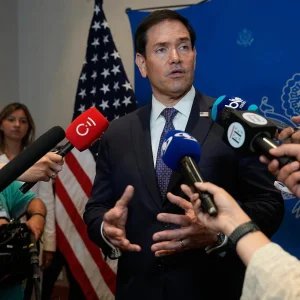
The United States is working to reduce its trade imbalance with Bangladesh while strengthening bilateral trade and investment, US Commercial Counsellor Paul Frost said today (1 July), as business leaders in Chattogram called for greater American investment in the city’s planned Free Trade Zone and strategic infrastructure projects.
Speaking at a meeting with leaders of the Chittagong Chamber of Commerce and Industry (CCCI) at the World Trade Centre in Chattogram, Frost said the US embassy’s priority is to promote business and investment between the two countries by connecting American and Bangladeshi businesses, according to a press release.

“The objective of today’s discussion is to promote trade and investment between the United States and Bangladesh, establish business-to-business connections and better understand the expectations of the business community,” he said.
Frost encouraged Chattogram’s business community to work jointly with the American Chamber of Commerce in Bangladesh to strengthen commercial engagement with US companies.
He also said the US government is working with the Bangladesh government and the Bangladesh Investment Development Authority (Bida) to facilitate investment, adding that improving the ease of doing business remains critical to attracting foreign investors.
CCCI President Mohammad Amirul Haque said the US is Bangladesh’s largest export market for ready-made garments and stressed that the time is right to deepen bilateral economic relations.
He invited US companies to invest in Bangladesh’s economic transformation projects, including transport corridors, expressways, MRT systems, ports and other infrastructure.
Highlighting Chattogram’s strategic location, Amirul urged US investors to explore opportunities in the proposed Bay Terminal, Matarbari Deep Sea Port and Sonadia Deep Sea Port projects.
He also called on US businesses to invest in the government’s planned Free Trade Zone in Chattogram, saying investors would be able to operate with a single trade licence under a simplified regulatory framework.
“Bangladesh is not seeking charity. We want a strong economic partnership based on mutual respect and shared interests where both countries benefit,” he said.
US Deputy Political and Economic Counsellor David Moo said Washington is working with Bangladesh to improve the business environment and remove trade barriers.
“There are already many American companies operating in Bangladesh, while others are interested in entering the market. Removing business obstacles will help expand trade and commercial engagement between the two countries,” he said.
Other speakers noted that US machinery and technology enjoy a strong reputation in Bangladesh’s manufacturing sector and called for greater American participation in local business summits.
They also urged US investment in Bangladesh’s agriculture sector, bonded warehouse facilities, cotton and man-made fibre industries.
Business leaders further called for easier visa and passport services for Bangladeshi students and Bangladeshi-origin US citizens, establishment of a US consular office in Chattogram, direct Dhaka-New York flights, and US investment in the proposed Dhaka-Chattogram Expressway.
About The Author