The Election Commission (EC) has announced a roadmap for upcoming union parishad (UP) elections, with voting scheduled to take place in five phases between 21 January and 27 May.
The announcement comes after the EC held a meeting today (12 October) to finalise the dates for local government elections.
Election Commissioner Brigadier General (retd) Abul Fazal Md Sanaullah said the first phase of voting will be held on 21 January, followed by the second phase on 4 February and the third on 29 April.

The fourth phase of voting is scheduled for 13 May, while the final phase will take place on 27 May, he added.
Deputy commissioners will announce the election schedules six weeks before each phase, Sanaullah said.
He said the broad decision is to complete elections to UPs by 27 May next year.
“Approximately 4,300 UPs have completed their terms or will enter the election cycle within this period under the law. Elections to these UPs will be completed by 27 May 2027.”
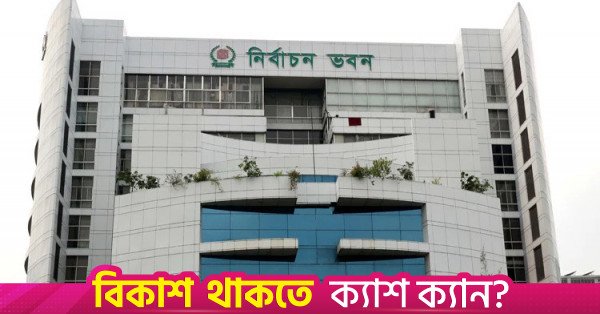
The EC began its meeting this morning to finalise the dates for local government elections, with Chief Election Commissioner AMM Nasir Uddin chairing the meeting at Nirbachan Bhaban in Dhaka’s Agargaon.
Election commissioners Abdur Rahmanel Masud, Begum Tahmida Ahmed and Md Anwarul Islam Sarker, among others, also attended the meeting.
With this, Bangladesh is set to hold its first local government elections since the BNP came to power in February, setting the stage for an early test of the ruling party’s grassroots popularity against opposition parties, including the Jamaat-e-Islami.
Bangladesh has 4,588 union parishads, according to data from the local government ministry.
The elections come amid a wider effort to restore elected local government bodies following a prolonged period of disruption after the ouster of the Awami League regime in August 2024. Many union parishad chairmen went into hiding, and administrators were appointed to several local bodies during the interim government.
Although the elections will officially be non-partisan after the suspension of voting with party symbols, the contests are expected to carry wider political significance, as candidates often draw support from political parties and their local networks.
UP contests focus on local leadership and community-level issues. However, victories and defeats can influence local political dominance, strengthen or weaken party networks and shape the standing of grassroots leaders within their respective organisations.
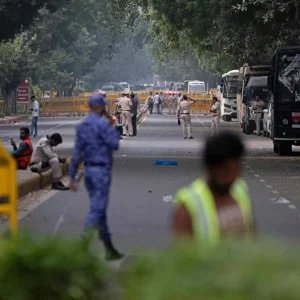
The potential for electoral violence will also pose a major challenge for law enforcement agencies. Previous UP elections have seen clashes between rival candidates and their supporters, sometimes turning violent and raising concerns over law and order. Preventing a recurrence of such incidents will be a key challenge for the authorities as voting takes place in five phases.
About The Author