The country currently imports around $95 million worth of products that could potentially be produced domestically from underutilised tannery waste.
Photo: TBS
“>

Photo: TBS
Infographic: TBS
“>

Infographic: TBS
Bangladesh could unlock an import-substitution opportunity worth nearly $100 million by properly processing and recycling tannery solid waste (TSW) into value-added commercial materials, according to a recent policy paper by the Business Initiative Leading Development (BUILD).
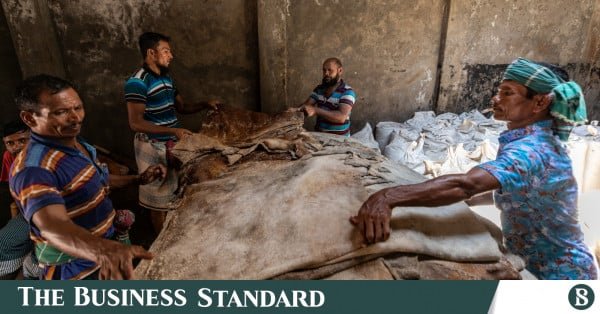
The country currently imports around $95 million worth of products that could potentially be produced domestically from underutilised tannery waste, the paper said.
Presenting the keynote at a policy dialogue in the capital today (5 October), BUILD CEO Ferdaus Ara Begum said the Savar Tannery Industrial Estate generates approximately 84,000 tonnes of TSW annually, of which 60-70% consists of chrome-free beam house trimmings and fleshing that could be processed into gelatin, collagen, protein meal and tallow.
Referring to the study, Ferdaus Ara said recovered tannery waste should be recognised as a secondary industrial raw material. Commercial bio refineries and SME-level tallow extraction units could potentially substitute around $100 million worth of annual imports of gelatin, glue, shoe soles and poultry feed additives, she said.

Speaking as the chief guest at the “Waste into Resource: Tannery Solid Waste (TSW) Byproduct Entrepreneurship Model” dialogue, jointly organised by BUILD and The Asia Foundation at a city hotel, Ministry of Industries Additional Secretary Smriti Karmakar said tannery waste should not be viewed merely as an environmental or river-pollution concern but as an economic resource that can generate new products and businesses through technology, investment and entrepreneurship.
“We should not see tannery waste only as a problem or as a waste management issue. We can look at how, through technology, investment and entrepreneurship, it can be used as a raw material for new products and businesses,” she said.
Abul Kashem Khan, chairperson of BUILD, said effective TSW management could diversify exports, attract foreign direct investment and generate revenue. Foreign investors are committing capital to byproduct projects but face severe raw-material shortages, underscoring the need for stronger coordination among government agencies, development partners and the private sector.
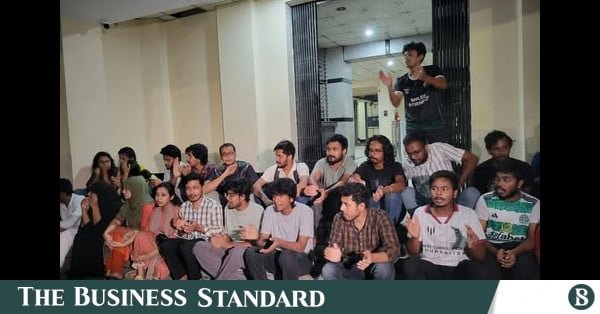
In the panel discussion, moderated by Sharifa Khan, former alternate executive director of the World Bank and former senior secretary of the Economic Relations Division, Mohammed Abu Eusuf, professor at Dhaka University and executive director of RAPID, called for a dedicated TSW policy covering coordination, compliance, financing and better-functioning slaughter houses.
Mizanur Rahaman, general secretary of the Bangladesh Tanners Association, proposed dedicated processing facilities and said no factory in the Savar Tannery Industrial Estate is currently Leather Working Group (LWG) certified.
Sajjad Hossain Khan of The Asia Foundation stressed modern technology, formalising informal waste aggregators and stronger governance to develop a circular value chain.
About The Author