National hypertension control rate declines by 2% in two months
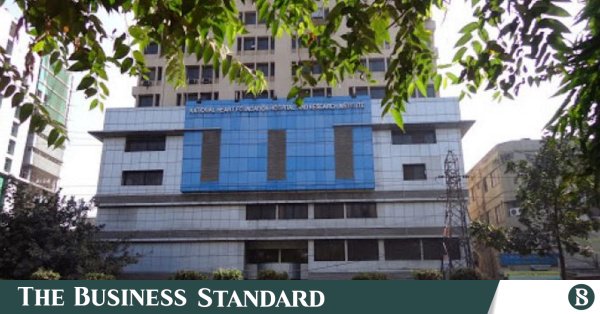
National Heart Foundation Hospital and Research Institute. Photo: Collected
“>

National Heart Foundation Hospital and Research Institute. Photo: Collected
Thousands of low-income patients with hypertension and diabetes are struggling to continue treatment as prolonged medicine shortages at Non-Communicable Disease (NCD) corners across the country force health facilities to ration supplies or ask patients to buy medicines themselves.
Halima Begum, 50, of Shibganj in Chapainawabganj, had received a month’s supply of free hypertension medicine every month for three years. Last month, however, she received only a 10-day supply as stocks were running low.
Labourer Md Yusuf Ali, 65, of Chouhatta in Sylhet, who had collected free diabetes medicine from Shaheed Shamsuddin Hospital for nearly four years, was told a week ago after a diabetes test that supplies had run out and he would have to buy the medicine himself.

The shortages have persisted for around a year and a half now, affecting several hundred thousand low-income patients. Some facilities are distributing 10 days’ medicines instead of a month’s supply, while others have run out entirely.
The disruption is also undermining disease control. According to the National Heart Foundation, the national hypertension control rate fell from 61% to 59% in two months, with further declines feared if supplies are not restored.
Shortages are particularly severe in Sylhet division and parts of Rajshahi, Chattogram and Barishal, especially in upazilas with larger patient populations.
Infographic: TBS
“>

Infographic: TBS
Procurement stalled for 18 months
Launched in 2018, the NCD programme provides screening and five types of free medicines for hypertension and diabetes patients through 446 upazila health complexes and 30 district hospitals. Eight organisations, including the Directorate General of Health Services (DGHS) and the
National Heart Foundation Hospital and Research Institute, implement the programme.
DGHS data show 14,80,117 registered patients, including 11,31,487 with hypertension and 8,96,293 with diabetes, with a significant number of patients having both.
Dr Shamim Zobayer, programme manager at the National Heart Foundation, told The Business Standard that regular medicine procurement and distribution had effectively stalled after the operational plan (OP) ended in June 2024.
Some upazila health officials are purchasing medicines such as amlodipine and metformin from their Medical Services and Requisites (MSR) allocations. However, the same budget must cover all indoor and outdoor medicine requirements, limiting purchases for NCD corners.
Delays in open tenders and coordination problems between production and supply at state-owned Essential Drugs Company Limited (EDCL) have compounded the shortage, Dr Shamim said.
DGHS Director of Disease Control Dr Halimur Rashid said the ministry and the directorate had instructed health facilities to procure NCD medicines using their operating budgets. Hospitals are trying to purchase them through tenders alongside other essential drugs.
Hospitals ration supplies, experts warn of health risks
Dr Nazir Ahmed of Shibganj Upazila Health Complex said the facility was temporarily collecting metformin and amlodipine from community clinic kit boxes. Initial stocks of around 32,000 and 24,000 units had fallen to 5,000-10,000, leaving supplies for barely a month.
The hospital has cut distribution from 30 days to 10 days per patient, while medicine purchases are straining its budget alongside other essentials, including saline.
He said the next two to three months would determine whether stocks could last through June-July, adding that shortages were affecting hypertension and diabetes control.
Dr Inam Ahmed, upazila health and family planning officer in Kahaloo, Bogura, said hospitals were buying medicines from their own budgets, while funding requirements for NCD corners remained under discussion following a high-level meeting.
Professor Dr Sohel Reza Choudhury of the National Heart Foundation warned that stopping blood pressure medication increases stroke and heart attack risks. As many patients cannot afford regular purchases, he urged the government to procure NCD medicines directly from the revenue budget and supply hospitals, as it does with tuberculosis medicines, bypassing lengthy tender procedures.
About The Author