The latest figures show 67 disrupted direct flights and 77 transit flights, with Biman Bangladesh Airlines recording the highest number of affected direct services.
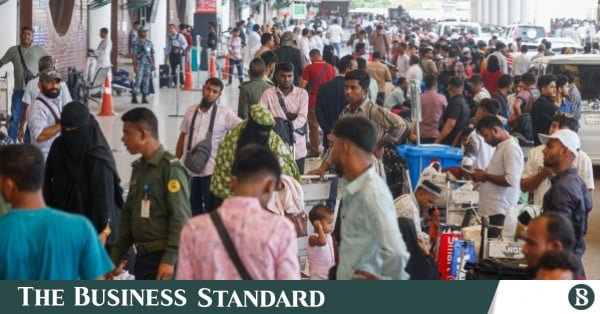
Passengers with luggage wait outside Hazrat Shahjalal International Airport in Dhaka after flights were cancelled following the closure of King Khalid International Airport in Riyadh, Saudi Arabia, on 11 October 2026. Photo: Rajib Dhar/File
“>

Passengers with luggage wait outside Hazrat Shahjalal International Airport in Dhaka after flights were cancelled following the closure of King Khalid International Airport in Riyadh, Saudi Arabia, on 11 October 2026. Photo: Rajib Dhar/File
Operational restrictions at Saudi Arabian airports have disrupted 144 direct and transit flights, affecting 22,021 passengers so far, according to the latest data from the Civil Aviation Authority of Bangladesh’s (Caab) ASM Flight Management.
Of the affected flights, 67 were direct services and 77 were transit flights.
Among direct flights, Biman Bangladesh Airlines recorded the highest number of disruptions, with 28 flights affected. Saudia Airlines had 19 flights affected, while US-Bangla Airlines and Riyadh Air each recorded 10.

Among transit flights, IndiGo recorded the highest number of disruptions, with 30 flights affected, followed by Emirates with 14, Qatar Airways with nine, Air India with eight, flydubai with eight, SalamAir with seven and EgyptAir with one.
Meanwhile, Biman Bangladesh Airlines has suspended Dhaka-Dammam flights scheduled for 23-25 October following an attack on King Fahd International Airport in Dammam on Wednesday night (21 October).
It has also suspended all Dhaka-Riyadh flights until 31 October, citing the ongoing airstrike situation and passenger safety.
Flights from Dhaka to Jeddah and Medina will continue to operate as scheduled, Biman said, advising passengers travelling to Dammam and Riyadh to use the two airports as alternatives, subject to seat availability.
The disruptions follow security-related restrictions at Saudi airports that have affected both direct services and connecting journeys.
About The Author