The government has also set minimum standards for imported lithium batteries.
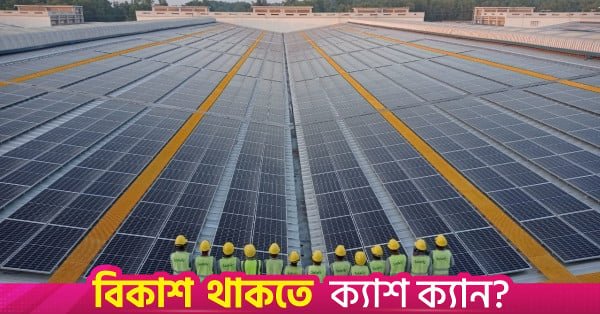
File photo of rooftop solar. Photo: TBS
“>

File photo of rooftop solar. Photo: TBS
Highlights:
- Minimum quality standards set for imported lithium batteries
- Substandard lithium batteries will not be allowed for sale
- Govt to buy rooftop solar power at Tk10.15 per unit for 3 years
- Govt plans to establish a fund for small solar installation businesses
- Solar panels, inverters, and batteries get conditional tax exemptions
- National Rooftop Solar Programme launched for public buildings, schools, hospitals
The government will buy electricity generated by rooftop solar systems at Tk10.15 per unit to encourage investment in the sector, while setting minimum quality standards for lithium batteries to prevent substandard products from being sold in the country.
Prime Minister Tarique Rahman disclosed the measures in parliament today (2 September) in response to a question from Nilufar Chowdhury Moni, the women’s reserved seat-10 lawmaker, during a question-answer session.

He said the government would purchase electricity supplied to the grid by those who install rooftop solar systems within the next six months at Tk10.15 per unit. The additional amount over the bulk rate would be provided as an incentive, and the facility will remain in effect for three years, he said.
According to government estimates, the average cost of generating one unit of electricity from rooftop solar is Tk6-7. Selling the electricity at the fixed rate could therefore offer investors profits of up to 45%.
Of this, 40% will be profit, and 5% will be a premium, the prime minister said, adding that the government has also taken an initiative to establish a fund to support small businesses involved in installing solar panels.
Minimum standards for lithium batteries
In a supplementary reply to the same question, Tarique said a meeting was held today on setting minimum standards for imported lithium batteries.
He said lithium batteries that do not meet the prescribed minimum standards will not be allowed to be sold in Bangladesh.
The government will also establish a fund for small businesses in the sector, allowing them to become more easily involved in rooftop solar installation projects, he said.
Tax relief for solar equipment
To reduce the cost of installing rooftop solar systems, the government has also provided tax benefits on solar equipment, said the prime minister.
He said the Internal Resources Division, on 8 June, conditionally exempted various products required for solar power installations, including solar panels, inverters, and batteries, from customs duty, regulatory duty, supplementary duty, advance tax, and an additional 2% advance income tax.
The government has also launched the National Rooftop Solar Programme to install rooftop solar systems on government buildings, educational institutions, hospitals, and other important facilities.
Guidelines have been prepared for implementing the programme, while special allocations have been provided to various ministries, divisions, and agencies, he said.
Rooftop solar systems have already been installed at the offices of all deputy commissioners and divisional commissioners across the country, Tarique told parliament.
In her question, MP Nilufar sought an update on government initiatives to install solar panels on public buildings, provide support for importing raw materials needed to manufacture solar inverters, and develop an effective economic model to make solar power affordable, accessible and profitable.
In response, the prime minister said initiatives had also been taken to generate electricity from water, wind, and waste alongside solar power.
He expressed hope that implementing these initiatives would help address the country’s energy crisis and increase the use of renewable energy in Bangladesh.
About The Author