Speakers at a memorial meeting in Chattogram paid tribute to the renowned ophthalmologist, saying his lifelong work transformed eye care and restored sight to millions across Bangladesh.
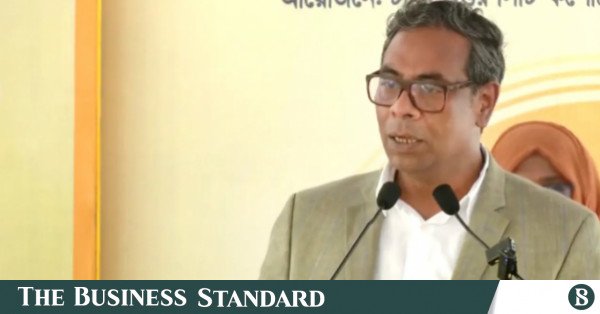
Health and Family Welfare State Minister MA Muhit. File Photo: Collected
“>

Health and Family Welfare State Minister MA Muhit. File Photo: Collected
State Minister for Health and Family Welfare MA Muhit yesterday (1 August) said legendary ophthalmologist Professor Dr Rabiul Hossain had restored the eyesight of millions of people in Bangladesh and made an outstanding contribution to the country’s healthcare sector.
Speaking at a citizens’ memorial meeting in Chattogram, he said the late eye specialist dedicated his life to serving humanity and left behind an inspiring legacy for future generations.
The memorial, organised by the Bangladesh National Society for the Blind (BNSB) and Chittagong Eye Infirmary and Training Complex (CEITC) at the Navy Convention Centre, was attended by physicians, academics, politicians, social workers and people from different walks of life.

“Dr Rabiul Hossain was an institution in ophthalmology. He devoted his entire life to the welfare of people. We must carry forward his ideals,” the state minister said.
He said the late physician established hospitals without attaching his name to them and entrusted their management to a board of trustees. He also praised Rabiul Hossain’s sons, Dr Rajib Hossain and Riaz Hossain, for continuing their father’s work and urged society to protect the institutions from vested interests.
Special guest and Chattogram-10 MP Sayeed Al Noman said Rabiul Hossain had made invaluable contributions to society through his work and his book Pleasure and Pain. He said the eye hospitals established by the late physician in Chattogram and eight other districts continue to provide affordable treatment to thousands of people.
The meeting was chaired by Dr QM Ahidul Alam, the Managing Trustee of CEITC, and moderated by Professor Dr Md Moniruzzaman Osmani, the Acting Director of ICO. Representatives from the medical field, along with members of various social and professional organisations, also addressed the programme.
About The Author