Rizvi calls for diplomatic action and political mobilisation against India’s upstream water diversion, warning that the Farakka Barrage and other structures are contributing to the decline of Bangladesh’s rivers and threatening its water security.
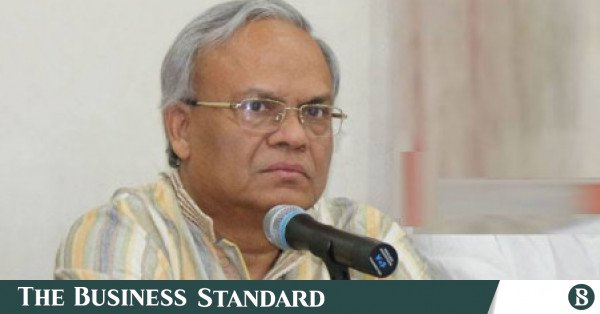
BNP Acting Secretary General Advocate Ruhul Kabir Rizvi. File photo: Collected
“>

BNP Acting Secretary General Advocate Ruhul Kabir Rizvi. File photo: Collected
BNP Acting Secretary General Ruhul Kabir Rizvi has called for strong diplomatic protests and political movements against India’s unilateral water withdrawal and construction of upstream dams, saying these are pushing Bangladesh’s rivers and environment towards destruction.
Bangladesh must move beyond a conciliatory approach to secure its fair share of transboundary river water, he said while addressing a roundtable “The Role of Padma and Teesta Barrages in Protecting National Water Resources” at a hotel in Gulshan today (28 October).
Rizvi claimed India was struggling to resolve water-sharing disputes among its own states while showing little hesitation in depriving neighbouring countries of their legitimate water rights.

“Speaking softly or making concessions will bring no benefit. We must build political movements and pursue diplomatic struggles against this,” he said.
Referring to the 1977 water-sharing agreement, Rizvi questioned why its specific water guarantee clause was removed in 1996.
He said unilateral water diversion through the Farakka Barrage and the Gazaldoba structure upstream had left Bangladesh’s rivers on the verge of dying, adding that a lack of patriotism and firmness would leave the country increasingly vulnerable.
Rizvi stressed the need to conserve excess monsoon water for use during the dry season to improve domestic water management.
He claimed that the drying up of the Padma and Teesta rivers due to the adverse effects of Farakka had contributed to a nearly 30% decline in rainfall in Rajshahi over the past 20-25 years, alongside the emergence of sandbars in riverbeds.
Highlighting the history of river management, Rizvi referred to research by engineer BM Abbas and warnings by British-era engineer Kapil Bhattacharya about the consequences of artificial interference with natural river flows.
He called for appropriate policies based on lessons from the environmental damage caused by such interventions.
State Minister for Cultural Affairs Ali Newaz Mahmood Khyom chaired the event where Disaster Management and Relief Minister Asadul Habib Dulu and Cultural Affairs Minister Advocate Nitai Roy Chowdhury attended as special guests.
About The Author