Hospital authorities said the baby, born at just 28 weeks of gestation, succumbed to complications from extreme prematurity despite intensive care in the NICU.
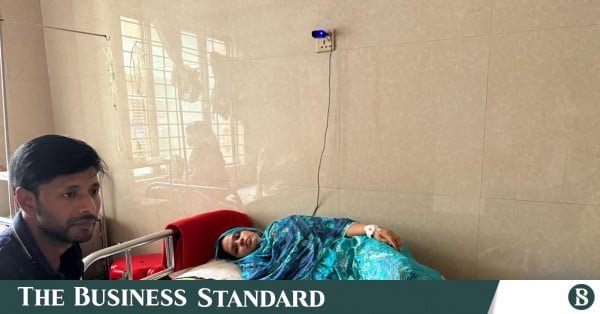
The mother, who forced to give birth to a child on the roadside due to severe traffic congestion in Savar, was taken to a private hospital later. Photo: TBS
“>

The mother, who forced to give birth to a child on the roadside due to severe traffic congestion in Savar, was taken to a private hospital later. Photo: TBS
The premature baby who was born on a roadside in Savar after severe traffic congestion delayed the family’s journey to hospital has died while undergoing treatment.
The infant died at around 7:30am today (4 August) in the Neonatal Intensive Care Unit (NICU) of Super Medical Hospital Pvt Ltd, where he had been receiving treatment since birth.
Dr Khandakar Akash, medical officer at the hospital’s NICU, told The Business Standard that the baby was born at 28 weeks of gestation and weighed about one kilogram.

“The baby’s lungs were not fully developed. We provided life support and all necessary treatment, but he repeatedly stopped breathing. Despite our best efforts, he could not be saved,” he said.
The doctor added that babies delivered outside a medical facility often miss critical neonatal support immediately after birth, which can further worsen their condition.
The infant was born on the evening of 2 August after his mother, 32-year-old Mst Rajiya Khatun, went into labour while travelling to the hospital by rickshaw.
According to her husband, garment worker Md Amir Hamza, their journey was brought to a standstill by severe congestion near Savar Bazar Bus Stand, caused by illegal roadside shops, wrong-way vehicles and traffic mismanagement, even though the hospital was only a few minutes away.
Unable to reach the hospital in time, Rajiya gave birth on the roadside before hospital staff arrived with a stretcher and took both mother and child to Super Medical Hospital.
Hospital authorities said the mother remains in stable condition. The family has taken the infant’s body to their village for burial.
About The Author