Researchers observed plastic bottles, polythene bags and food waste accumulating near the sampling site as tourist visits increased, despite its distance from human settlements.
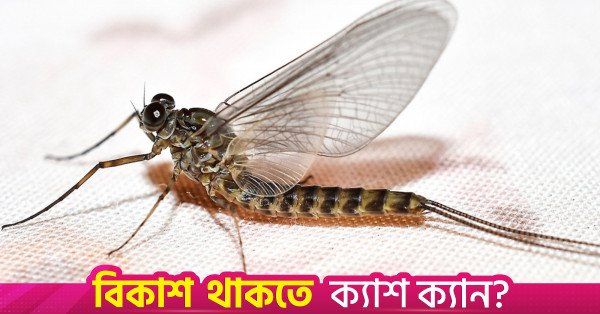
Mayfly species Ephemera primitiva discovered in Bangladesh. Photo: Courtesy
“>

Mayfly species Ephemera primitiva discovered in Bangladesh. Photo: Courtesy
A mayfly species previously unknown to science has been identified at Khaiyachhara Waterfall in Chattogram’s Mirsarai, adding to Bangladesh’s freshwater biodiversity.
However, plastic waste and litter from tourists threaten its natural habitat.
Named Ephemera primitiva, the species was described in a study published in the international zoological journal Zootaxa on 6 August. The research was conducted by Changfa Zhou, a professor at Nanjing Normal University in China, and Shibly Sadique Shashi, a PhD researcher at the same university and a former student of the Institute of Marine Sciences at the University of Chittagong.

Researchers examined the insect’s physical characteristics, specimens from different life stages and DNA sequences to establish its identity. According to the study, it is the first formally named species of the genus Ephemera recorded in Bangladesh, where a specimen of the genus had previously been found without a confirmed species identity.
The researchers collected specimens from the waterfall’s lower reaches in several phases between January 2025 and March 2026. The nymphs, or immature forms, were found on the sandy and rocky riverbed downstream.
The species is pale yellow to golden, with brown to dark markings on its body, wings, legs and abdomen. Adult males measure 12-15mm, while females measure 13-15.5mm.
Researchers examined anatomical features, including wing and leg structures and reproductive organs, and analysed a segment of mitochondrial COI DNA from two males, comparing it with genetic data from eight other Asian Ephemera species. The findings confirmed its distinct identity.
Tourist waste threatens habitat
Researchers observed plastic bottles, polythene bags and food waste accumulating near the sampling site as tourist visits increased, despite its distance from human settlements.
Shibly Sadique Shashi told The Business Standard that plastic and polythene discarded into the waterfall could travel downstream and disrupt the nymphs’ habitat. Food scraps and other waste could also put additional pressure on the aquatic ecosystem.
The study called for greater public awareness and improved waste management at tourist destinations such as Khaiyachhara. However, it did not establish the extent of pollution’s impact on the species’ population or whether it faces extinction risks. Further monitoring is needed to determine its population status and the effects of pollution.
Mayflies spend most of their lives underwater as nymphs in freshwater habitats, including rivers, streams and waterfalls. After several months, they emerge as winged adults that typically live for only a few days, during which they reproduce.
Mayflies are part of freshwater food webs and serve as food for other aquatic animals. However, the specific role of Ephemera primitiva in local fish diets and human food security remains unknown and requires further research.
The discovery also highlights gaps in knowledge about Bangladesh’s freshwater insect diversity, as research on mayflies remains limited despite the country’s extensive freshwater habitats. Further surveys could identify additional species and clarify their evolutionary relationships.
Researchers stressed that preventing plastic waste from entering waterways and improving waste management are essential to protecting the habitat of the newly identified species and preserving aquatic biodiversity.
About The Author