Bangladesh can become a global model for green ship recycling through compliance, worker safety and environmental reforms.
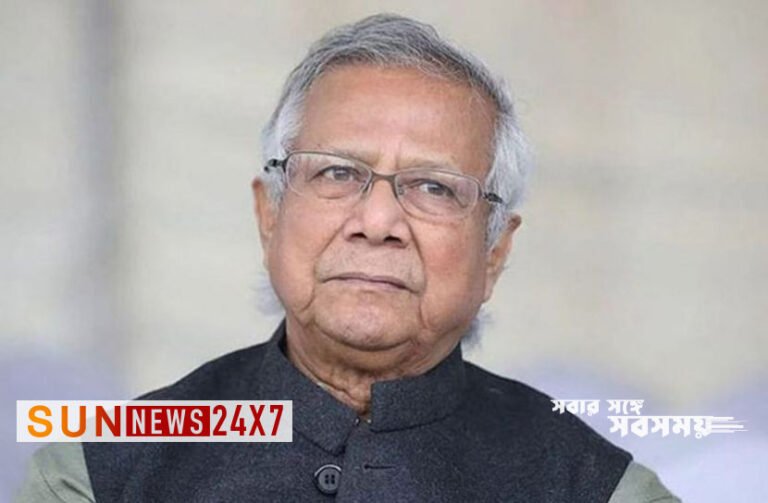
In an interview with The Business Standard, PHP Family’s Vice Chairman Mohammed Mohsin spoke about his vision for transforming Bangladesh’s ship recycling sector into a globally recognised environmentally sustainable industry aligned with the Hong Kong Convention.
The interview was taken by TBS’s Chattogram Bureau Chief Shasuddin Illius.

How important is ship recycling to the national economy today?
The ship recycling industry is one of the strategic industrial sectors of Bangladesh. It supplies a significant portion of raw materials for the local steel and re-rolling industry, which directly supports national infrastructure development, construction and manufacturing activities.
The sector also creates employment opportunities for thousands of workers and contributes substantially to government revenue through taxes, duties and related economic activities.
The industry plays an important role in the circular economy by recovering reusable steel, machinery and equipment from end-of-life vessels.
Can Bangladesh realistically become a global leader in green ship recycling? What is your vision for making the sector fully compliant?
Yes, Bangladesh can realistically become a global leader in green and sustainable ship recycling.
For more than a decade, Bangladesh has remained one of the world’s leading ship recycling nations in terms of tonnage, dismantling the highest volume of end-of-life ships globally. This demonstrates the country’s industrial capacity, skilled workforce and strategic importance in the global maritime recycling sector.
Over the years, the industry has also made significant progress in safety, environmental management and international compliance. Several yards have invested heavily in modern infrastructure, impermeable flooring, drainage systems, hazardous waste management, worker training and international certification.
My vision is to transform the sector into a fully compliant, transparent and internationally respected industry aligned with the requirements of the Hong Kong Convention of the International Maritime Organization.
This requires collective commitment from yard owners, government authorities, international stakeholders and financial institutions.
The future of Bangladesh ship recycling should not be based only on volume, but on responsible recycling, worker welfare, environmental protection and global trust.
What will be your top priorities if elected president of Bangladesh Ship Breakers and Recyclers Association (BSBRA)?
My top priorities would include accelerating Hong Kong Convention compliance across all active yards, ensuring proper worker safety and welfare, and supporting skill development programmes.
I also want to support development of a national Treatment, Storage and Disposal Facility, strengthen environmental monitoring and waste management systems, encourage technology transfer and modern recycling infrastructure, and build stronger international confidence in Bangladesh’s recycling industry.
At the same time, smaller yards must also be supported through technical guidance and phased compliance initiatives.
The goal is to ensure that green transformation becomes practical, inclusive and sustainable for the entire industry.
What is your vision for the next five years?
Over the next five years, I want Bangladesh to become one of the world’s most trusted and compliant ship recycling industries.
I want to see more yards achieving Hong Kong Convention certification, improved worker safety standards, stronger environmental performance and better waste management systems.
Bangladesh should position itself not only as a major recycling nation, but also as a responsible recycling hub that global ship owners can confidently choose.
How do you plan to balance economic growth with environmental and worker safety concerns?
Economic growth and environmental responsibility must go together. Sustainable business practices are no longer optional in the modern global ship recycling industry.
Long-term economic success depends on safe operations, environmental protection and worker welfare.
This balance can be achieved through phased modernisation, continuous training, infrastructure investment and realistic regulatory implementation.
At the same time, international stakeholders should recognise the progress Bangladesh has already made and support the industry’s transition process.
The Hong Kong Convention entered into force in 2025. Is Bangladesh fully prepared to comply with its standards?
Bangladesh has made major progress toward compliance, but the transformation process is still ongoing.
Several yards have already upgraded their facilities and obtained international certifications aligned with Hong Kong Convention requirements.
However, full nationwide compliance remains a challenge, particularly for smaller and medium-sized yards.
Continued investment, regulatory support, infrastructure development and technical cooperation will be necessary to ensure complete implementation across the sector.
How many yards are currently internationally compliant and what challenges remain for the rest?
Currently, 27 yards in Bangladesh have achieved Hong Kong Convention certifications, demonstrating that compliance is achievable within the country.
This reflects the significant progress the industry has made in recent years toward improving safety, environmental protection and operational standards in line with international expectations.
However, challenges remain regarding infrastructure investment, impermeable flooring, drainage systems, hazardous waste management, worker training and financial capacity for large-scale upgrades.
Smaller yards especially require technical support and phased development plans to meet international requirements sustainably.
Environmental groups say Bangladesh still lacks proper hazardous waste treatment, storage and disposal facilities (TSDF). When can this infrastructure realistically be completed?
Developing such facilities is one of the most critical requirements for the long-term sustainability of the industry.
Discussions and initiatives are already progressing through both government and private sector involvement. The government is also working closely with the Japan International Cooperation Agency for development of a fully compliant TSDF facility.
A location has already been selected in the Mirsarai Economic Zone.
Realistically, establishing an internationally acceptable TSDF system requires significant investment, land allocation, technical planning and regulatory coordination.
If implementation progresses as planned, the facility is expected to be completed within the next five years.
Some yard owners argue compliance costs are too high. Do you think smaller yards will survive under stricter international regulations?
Compliance certainly requires substantial investment, but it is necessary for the long-term survival and international acceptance of the industry.
Smaller yards may face financial challenges during this transition period. However, with phased implementation, technical support, policy incentives and industry cooperation, many can gradually upgrade and remain operational.
In the future, sustainability and compliance will become essential business requirements rather than optional investments.
What investments are most urgently needed to modernise the sector?
The most urgent investments include environmentally sound recycling infrastructure, hazardous waste management systems, worker safety systems and training, emergency response capabilities, and wastewater treatment and drainage systems.
Some yards still face delays in achieving full compliance due to financial limitations, technical gaps, administrative procedures and infrastructure requirements.
However, the overall direction of the industry is toward improved compliance and modernisation.
PHP Shipbreaking & Recycling Industries has been recognised as one of the country’s green yards. What lessons from your own company can be replicated industry-wide?
PHP Shipbreaking & Recycling Industries has demonstrated that long-term investment in safety, environmental protection, worker training and international compliance can significantly improve operational standards and international credibility.
One of the key lessons is that commitment from top management is essential. Worker training must be continuous, safety culture should become part of daily operations, and environmental compliance should be viewed as an investment rather than a burden.
These practices can be adapted and replicated across the industry according to each yard’s capacity and stage of development.
Finally, what kind of industry do you want Bangladesh’s ship recycling sector to become over the next decade – low-cost and volume-driven, or a globally recognised sustainable recycling hub?
My vision is very clear: Bangladesh should become a globally recognised sustainable ship recycling industry.
Competing only on low cost is not sustainable in the long term. The future belongs to industries that combine economic strength with environmental responsibility, worker safety and international compliance.
Bangladesh already has the experience, workforce and industrial capacity to lead responsibly.
With continued modernisation and collective effort, the country can become a global model for sustainable ship recycling.
About The Author