The BTRC chief also observed that earlier approaches to cyber governance were flawed as they focused too heavily on technological solutions while neglecting legal and social dimensions.
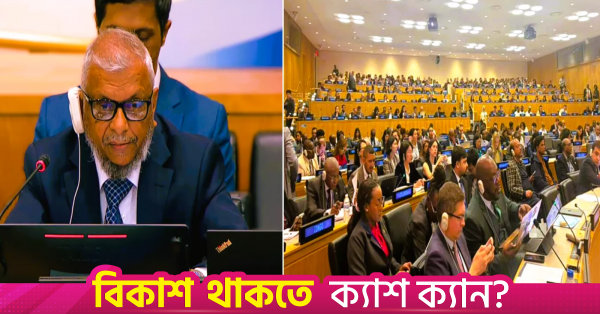
A roundtable on cyber security legislation and freedom of expression organised by Unesco, Drik, and Nagorik Coalition was held in Dhaka yesterday (6 May). Photo: Courtesy
“>

A roundtable on cyber security legislation and freedom of expression organised by Unesco, Drik, and Nagorik Coalition was held in Dhaka yesterday (6 May). Photo: Courtesy
Emphasising the urgent need to strike a balance between freedom of speech and regulatory oversight in the digital age, Lt Gen Md Emdad ul Bari, chairman of the Bangladesh Telecommunication Regulatory Commission (BTRC), has said that laws must evolve in line with time and technological change.
Speaking at a roundtable on cyber security legislation and freedom of expression organised by Unesco, Drik, and Nagorik Coalition in Dhaka yesterday (6 May), he cautioned that a lack of oversight in the digital space could fuel communal violence, harassment, fraud, and misinformation.
Highlighting the risks of both excessive regulation and complete absence of regulation, Emdad ul Bari said, “Non-regulation is not an option of ensuring freedom of speech.”

The BTRC chief also observed that earlier approaches to cyber governance were flawed as they focused too heavily on technological solutions while neglecting legal and social dimensions.
He added that the effectiveness of any law depends on “how well this is interpreted and implemented.”
Adviser to the prime minister Rehan Asad highlighted the growing complexity of cyber threats, noting that risks can emerge from multiple platforms rather than a single source.
He called for clearer definition of roles among the government, private sector, and cybersecurity agencies to better protect citizens’ data and digital spaces.
Freedom of expression policy expert Joan Barata said it is unrealistic to expect complete elimination of harmful online content. Instead, he argued for reducing its impact by building a more informed society.
Photographer and activist Shahidul Alam stressed the need to improve existing systems, calling for effective age-verification mechanisms to better protect children online.
About The Author