The workshop also examined gaps between minimum wage compliance and actual living wages, highlighting issues such as undocumented and involuntary overtime, delayed wage payments, gender-based wage disparities during hiring, and illegal deductions from workers’ benefits upon termination.
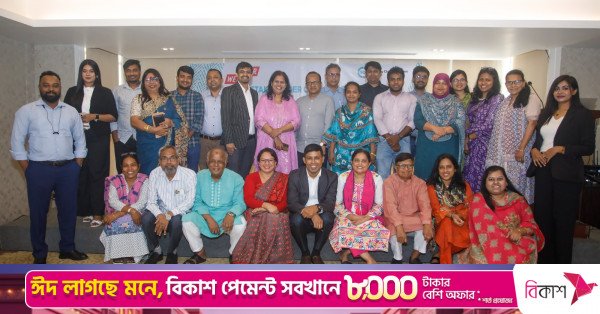
The workshop, organised by Fair Wear Foundation, brought together trade union federations, civil society organisations, multi-stakeholder initiatives (MSIs), and labour rights advocates to discuss Human Rights and Environmental Due Diligence (HREDD) and the Fair Wear Code of Labour Practices (CoLP). Photo: Collected
“>

The workshop, organised by Fair Wear Foundation, brought together trade union federations, civil society organisations, multi-stakeholder initiatives (MSIs), and labour rights advocates to discuss Human Rights and Environmental Due Diligence (HREDD) and the Fair Wear Code of Labour Practices (CoLP). Photo: Collected
Labour leaders urged factory owners to ensure fair wages and genuine freedom of association to produce truly “fair” factory products.
According to a press release, at a workshop yesterday (18 May) in Gulshan, leaders also identified systemic barriers faced by women workers, including restricted movement within factories and limited leadership opportunities in this industry.
The workshop, organised by Fair Wear Foundation, brought together trade union federations, civil society organisations, multi-stakeholder initiatives (MSIs), and labour rights advocates to discuss Human Rights and Environmental Due Diligence (HREDD) and the Fair Wear Code of Labour Practices (CoLP).

Kutub Uddin Ahmed, president of the IndustriALL Bangladesh Council, one of the largest labour lobby platforms in the country, said, “To produce truly fair wear, we must ensure fair wages and genuine freedom of association.”
Indicating workers, this leader also said, “Those turning the wheels of our development are often left without adequate food, healthcare, or decent living conditions.”
The workshop also examined gaps between minimum wage compliance and actual living wages, highlighting issues such as undocumented and involuntary overtime, delayed wage payments, gender-based wage disparities during hiring, and illegal deductions from workers’ benefits upon termination.
Speaking at the event, Babul Azad, deputy project director at Care Bangladesh, said policies alone would not improve labour conditions unless they are effectively implemented at the industry level.
“We can amend hundreds of laws and draft countless guidelines, but unless all these are implemented, these remain just paperwork,” he said.
Highlighting emerging challenges often overlooked in traditional audits, he added that workers’ mental health and stress should also be given importance.
“No matter how much cement and stone we use to build our industries, they will not sustain without the active well-being of our workers,” Babul added.
Participants at the workshop further identified the struggles of women, including a lack of social protection measures such as provident funds and insurance, and dismissals related to pregnancy and health conditions.
About The Author