Lucky Begum was left speechless at the sight of her husband Mohammad Ismail’s lifeless body. A bullet had shattered his skull, exposing his brain. His head had to be bandaged before burial, and police and Border Guard Bangladesh (BGB) members allegedly harassed the family while they took his body to their village by ambulance.
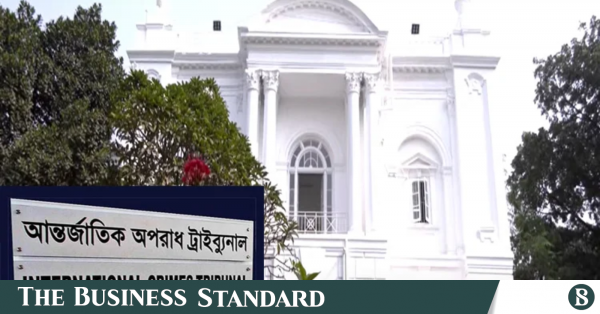
Lucky recounted the aftermath of her husband’s killing during the July uprising before the International Crimes Tribunal-1 yesterday.
She was the 16th prosecution witness in a crimes against humanity case over the deaths of 28 people in Dhaka’s Rampura area during the uprising. The accused include former BGB officer Lieutenant Colonel Redwanul Islam and three others.

Lucky, 38, is from Bancharampur upazila in Brahmanbaria and currently lives in Rampura, Dhaka.
She said Ismail left home around 3pm on 19 July 2024, to drive his auto-rickshaw. Around Maghrib prayer time, her son’s friend informed them that Ismail had been shot dead in front of Delta Care Hospital. Lucky and her son fainted upon hearing the news.
“I saw that a neighbour had brought my husband’s body home on a van. His skull had been shattered, his brain was exposed, and his body was covered in blood,” she told the tribunal.
The family took the body to Better Life Hospital to have his head bandaged so he could be buried.
Lucky alleged that on their way to their village home, police and BGB members stopped the ambulance and harassed them, allowing them to proceed only after they falsely claimed Ismail had died in an accident.
Ismail was buried in the family graveyard on 20 July, she said.
“My husband was killed by police and BGB gunfire. Redwan and Rafat from the BGB, and Rashedul and Mashiur from the police, were among those involved,” she said, breaking down in tears as she sought justice.
About The Author