IMF also questions why exemptions couldn’t be removed immediately
Representational image. Photo: Collected
“>

Representational image. Photo: Collected
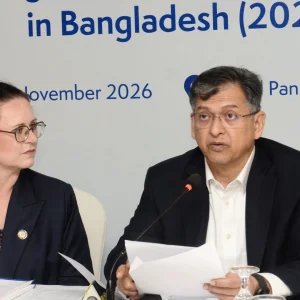
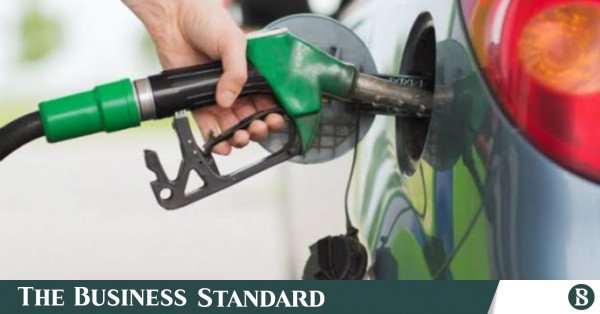
The International Monetary Fund (IMF) has proposed imposing an excise duty on fuel sales to boost revenue, but economists warn that the move could fuel inflation and deter investment at a time when the economy is already grappling with high price pressures.
The proposal was made by an IMF delegation at a meeting with National Board of Revenue (NBR) officials yesterday, according to senior NBR officials familiar with the discussions.
The IMF team is currently visiting Bangladesh to assess the country’s economic situation as the government explores a new $4.5 billion lending programme with the multilateral lender.

NBR officials said they had told the delegation that introducing another tax under the current economic conditions could prove unpopular.
A senior official, requesting anonymity, said, “We have told them that we will convey its proposal to the higher authorities, as the NBR can’t take such sensitive policy decisions.”
Currently, fuel imports attract combined import taxes of more than 30%. However, the government subsidises fuel sales, meaning the NBR cannot collect VAT at the retail stage.
The IMF believes fuel subsidies should not benefit consumers who can afford to pay taxes. It has therefore proposed a fixed excise duty on every litre of fuel sold to generate revenue.
Experts fear worsening inflation
Mustafizur Rahman, distinguished fellow at the Centre for Policy Dialogue (CPD), said there is a valid rationale for reducing subsidies by ensuring they reach the intended beneficiaries.
“But imposing a new fuel tax overnight without fixing the broader ecosystem would hurt all income groups, further dampen investment and weigh on the economy,” he told TBS.
Fahmida Khatun, also distinguished fellow at CPD, said reforms are necessary to ensure economic stability, but the current period is not suitable for increasing fuel prices.
“Such a move would increase people’s living costs,” she added.
NBR opposes proposal
Asked how the proposed excise duty would work, NBR Member Syed Mushfequr Rahman said a fixed amount could be charged for a litre sold, in addition to taxes at the import stage.
He said retail prices would rise by the amount of the duty imposed, impacting consumers.
Another NBR official said a senior board official had opposed the IMF proposal during the meeting, warning that introducing another tax could trigger fresh public discontent.
“People are already struggling with high inflation. The government will have to decide how reasonable it would be to impose another tax under these circumstances,” the official said.
However, he added that the proposal could be implemented if the government agreed.
IMF seeks faster withdrawal of tax exemptions
The NBR also informed the IMF delegation of its plan to withdraw most VAT and tax exemptions gradually by 2030. However, the delegation questioned why the exemptions could not be removed immediately, according to NBR officials.
An official said the board explained that an abrupt withdrawal could disrupt investment plans and undermine commitments already made by the government.
The government has announced several tax exemptions with specific validity periods, prompting businesses to formulate investment plans based on those commitments.
“Suddenly withdrawing all exemptions and imposing taxes or VAT would not be reasonable under these circumstances,” the official said.
About The Author