The government will recruit 1 lakh health workers, 80% of them will be women.
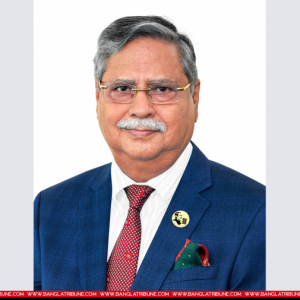
File photo of Health and Family Welfare Minister Sardar Md Sakhawat Husain.
“>

File photo of Health and Family Welfare Minister Sardar Md Sakhawat Husain.
The government will roll out a nationwide door-to-door health screening programme to ensure early detection of major diseases and improve access to healthcare services, Health Minister Sardar Md Sakhawat Husain has said today (22 July).
Speaking at the inauguration of Hygiene for Health Bangladesh at Gulshan Lake Park in Dhaka, the minister said every citizen has the right to healthcare and that the government is committed to ensuring no one is deprived of essential health services.
“We will launch a nationwide door-to-door health screening programme so that serious diseases can be identified at an early stage and treated promptly,” he said.

The minister announced that the government plans to recruit 1 lakh health workers, around 80% of whom will be women, to support the initiative.
He said the female health workers will visit households to educate women on self-screening techniques for breast and cervical cancer, helping detect the diseases at an early stage.
“Health workers will carry specialised kits to conduct basic health checks, including blood pressure, weight, blood glucose and lipid profile tests, allowing many screenings to be completed at home,” he added.
Highlighting the importance of preventive healthcare, Sakhawat said maintaining hygiene and a clean environment is essential for building a healthy and productive nation.
He also expressed concern over the rising number of caesarean deliveries in the country, saying many newborns are not receiving colostrum, the nutrient-rich first breast milk.
“Colostrum is one of the greatest natural sources of nutrition for newborns. Unfortunately, breastfeeding rates are declining due to changing lifestyles, mothers’ work commitments and lack of awareness,” he said.
Colostrum is the nutrient-dense, antibody-rich first milk produced by female mammals, including humans, during pregnancy and the initial days after birth.
The minister also warned that inadequate breastfeeding could increase the risk of malnutrition among children and stressed the need for greater public awareness to improve maternal and child health outcomes.
About The Author