According to the proposal, the initiative aims to modernise and strengthen distribution networks in rapidly industrialising areas, particularly Gazipur, Narayanganj and Narsingdi, where large factories and economic zones have significantly increased electricity demand.
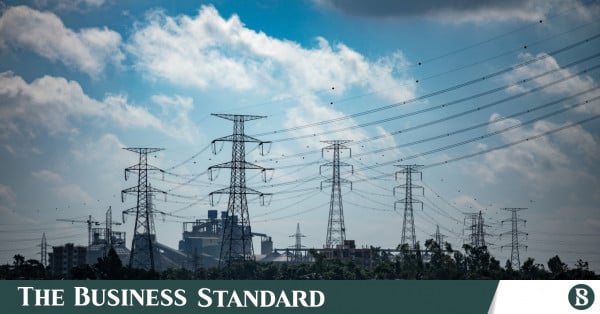
Bangladesh is heading into a time of year when electricity demand usually increases. Even moderate disruptions in generation capacity can lead to load-shedding. Photo: TBS
“>

Bangladesh is heading into a time of year when electricity demand usually increases. Even moderate disruptions in generation capacity can lead to load-shedding. Photo: TBS
The government is set to undertake a Tk4,973.73 crore project to strengthen electricity distribution systems in industrially developed areas surrounding Dhaka to meet rapidly growing demand from industries, businesses and households.
The project, titled “Capacity Enhancement of Electrical Distribution Systems of 13 Palli Bidyut Samities Around Dhaka under REB,” will be implemented by the Bangladesh Rural Electrification Board (REB) across 13 Palli Bidyut Samities in Dhaka, Gazipur, Mymensingh, Manikganj, Munshiganj, Narayanganj and Narsingdi districts.
According to the proposal, the initiative aims to modernise and strengthen distribution networks in rapidly industrialising areas, particularly Gazipur, Narayanganj and Narsingdi, where large factories and economic zones have significantly increased electricity demand.

Under the project, REB plans to add 1,265 MegaVolt-Ampere (MVA) of distribution capacity by 2031, ensuring an uninterrupted, reliable and affordable electricity supply for about 6.01 million existing consumers. It also aims to reduce system losses from 5.73% to 5.2% and cut the average duration of customer power interruptions (SAIDI) by 20%.
A feasibility study by the Infrastructure Investment Facilitation Company (IIFC) projected that electricity demand in the 13 Palli Bidyut areas will reach 5,082MW by 2033. Considering 70% loading and 10% diversity, the required distribution capacity will rise to 9,760 MVA.
Coverage areas and implementation details
The project includes construction of 52 new 33/11 kV substations, expansion of 12 existing substations, and construction or upgrading of about 4,200 kilometres of distribution lines, including 3,823 kilometres of new lines. It also includes installation of 158 kilometres of underground cable, 900 fault locators, three switching stations and three river-crossing towers.
Project areas include Savar, Dhamrai and Keraniganj in Dhaka; Kaliakair, Gazipur Sadar, Gazipur City Corporation, parts of Sreepur and Kapasia in Gazipur; Bandar, Rupganj, Sonargaon and Araihazar in Narayanganj; Manikganj Sadar and Saturia; Sirajdikhan, Louhajang and Tongibari in Munshiganj; parts of Narsingdi Sadar, Raipura and Shibpur in Narsingdi; Madhupur in Tangail; and Bhaluka, Trishal and Gafargaon in Mymensingh.
Palli Bidyut areas covered are Dhaka Palli Bidyut-1, 3 and 4; Gazipur Palli Bidyut-1 and 2; Mymensingh Palli Bidyut-1 and 2; Manikganj Palli Bidyut; Munshiganj Palli Bidyut; Narayanganj Palli Bidyut-1 and 2; and Narsingdi Palli Bidyut-1 and 2.
The proposal has been submitted to the Planning Commission, which has scheduled a Project Evaluation Committee (PEC) meeting on June 28. The commission has sought explanations over the project’s cost increase from Tk4,733.74 crore in the feasibility study to Tk4,973.73 crore in the Development Project Proposal (DPP), a rise of nearly Tk240 crore.
It has also asked REB to clarify the project’s alignment with the government’s election manifesto and development strategies, expected permanent and temporary employment generation, the need for new lines and e-GIS substations, and higher unit costs of some components compared with similar projects.
Cost scrutiny and funding structure
According to commission documents, 96.55% of project expenditure has been allocated to machinery and equipment. The commission has also questioned consultancy, training, travel and administrative costs, including the rationale for training 660 personnel and consultancy expenses linked to the 4,200-kilometre network.
The government expects to secure Tk2,440 crore in loans from the Asian Development Bank (ADB), while Tk1,316.95 crore will come from government funds and Tk1,216.78 crore from REB’s own resources.
REB Chief Engineer (Project) Md Shafiqur Rahman said the project was designed based on projected load growth and rising industrial and commercial demand around Dhaka. Tender documents have already been sent to the Power Division for approval, while advance procurement activities are expected to begin once required approvals are secured.
However, no work order will be issued until the project receives final approval from the Executive Committee of the National Economic Council.
Shafiqur added that ADB has agreed to finance the project, and advance tendering processes are underway, with key procurement activities expected to be completed by July.
About The Author