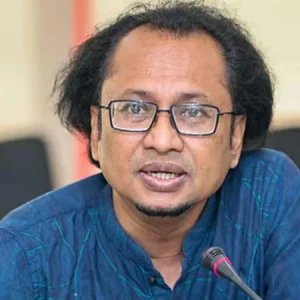
Muhit said less than 10% of the population lived in urban areas after independence, but the figure has now risen to around 30% and is projected to reach 50% by 2050.
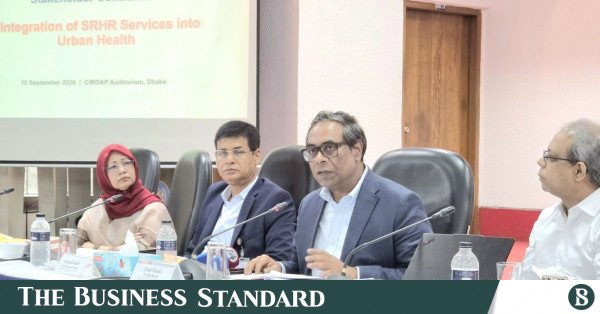
State Minister for Health Dr MA Muhit speaks at a stakeholder consultation on integrating sexual and reproductive health and rights (SRHR) services into urban healthcare at the CIRDAP Auditorium in Dhaka on Tuesday (15 September 2026). Photo: TBS
“>

State Minister for Health Dr MA Muhit speaks at a stakeholder consultation on integrating sexual and reproductive health and rights (SRHR) services into urban healthcare at the CIRDAP Auditorium in Dhaka on Tuesday (15 September 2026). Photo: TBS
The government has decided to bring urban healthcare under the mainstream health system as Bangladesh’s urban population continues to grow, State Minister for Health Dr MA Muhit said today (15 September).
“Building a sustainable national healthcare system while keeping urban healthcare outside the mainstream is simply not possible,” he said at a national consultation on sexual and reproductive health and rights at the CIRDAP auditorium in Dhaka.
Muhit said less than 10% of the population lived in urban areas after independence, but the figure has now risen to around 30% and is projected to reach 50% by 2050.

Under the proposed framework, the Directorate General of Health Services (DGHS) and Directorate General of Family Planning (DGFP) will jointly deliver urban healthcare, with the DGFP playing a key role in sexual and reproductive health services, he added.
The government also plans to recruit 100,000 community health and wellbeing workers, who will receive integrated training with 40,000 existing workers, the state minister mentioned.
They will use digital applications and diagnostic kits to provide basic healthcare at people’s homes, he stated.
The government is also considering evening clinics for low-income workers and plans to expand services for floating populations and women and children with disabilities, according to him.
Muhit urged authorities to finalise the development project proposal for the new urban healthcare framework, saying it would help build an inclusive system capable of meeting the country’s healthcare needs over the next 20 to 30 years.
About The Author