According to the policy, the government may, in the public interest, relax conditions for importing any controlled goods through general or special orders issued by public notification.
Representational image. Photo: AI
“>

Representational image. Photo: AI
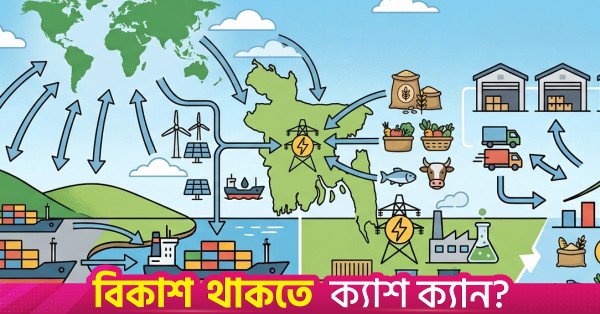
The government may relax import restrictions on controlled goods to ensure food and energy security and support export diversification and expansion under the new Import Policy Order 2026-2029.
The three-year policy, issued yesterday (23 August) under Section 3(1) of the Imports and Exports (Control) Act, 1950, came into effect immediately and will remain in force until 31 December 2029.
According to the policy, the government may, in the public interest, relax conditions for importing any controlled goods through general or special orders issued by public notification.

The provision gives the government scope to ease import restrictions when necessary to ensure adequate supplies of food and energy, as well as to support diversification and expansion of exports.
The policy also allows the government to relax any condition or regulatory requirement under the order to expand exports, retain existing export markets, encourage investment and facilitate trade.
Such relaxations may be granted under free trade agreements (FTAs), comprehensive economic partnership agreements (CEPAs), economic partnership agreements (EPAs), unilateral agreements and bilateral agreements, either with or without conditions.
The provision comes as the government has sought to overhaul the import regime and make it more aligned with international trade practices.
The new policy allows industrial and commercial importers to bring in goods through sales or purchase contracts without a value ceiling, alongside letters of credit (LCs).
The policy further widens access to raw materials for export-oriented industries, with the government aiming to facilitate business, attract investment and boost exports.
About The Author