BanglaFact has published 860 fact-checks, analytical reports, investigative stories, videos and reels, including 306 released since the current government assumed office, He says.
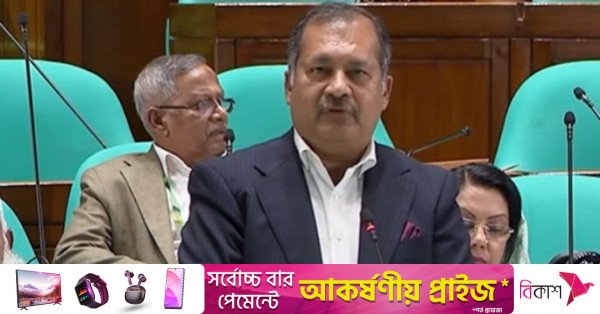
File photo of Information and Broadcasting Minister Zahir Uddin Swapon. Photo: Collected
“>

File photo of Information and Broadcasting Minister Zahir Uddin Swapon. Photo: Collected
The Ministry of Information and Broadcasting is implementing a range of initiatives to counter the misuse of artificial intelligence (AI) and deepfake technology for spreading rumours, misinformation and disinformation, Information and Broadcasting Minister Zahir Uddin Swapon told parliament today (8 July).
Responding to a written question from reserved seat lawmaker Fahima Nasrin during the question-and-answer session in parliament, the minister outlined the government’s ongoing efforts to tackle AI-enabled misinformation.
He said BanglaFact, a fact-checking initiative run under the supervision of the autonomous Press Institute Bangladesh (PIB), has been playing an active role in combating false information and rumours.

So far, BanglaFact has published 860 fact-checks, analytical reports, investigative stories, videos and reels, including 306 released since the current government assumed office.
According to the minister, the platform currently verifies an average of three to five claims every day before publishing fact-check reports.
Swapon also said authorities have identified 137 fake Facebook accounts, pages and groups impersonating prominent individuals, 16 misinformation-based websites designed to resemble legitimate news outlets, more than 300 misleading Facebook accounts and 100 accounts on X involved in spreading false information.
To strengthen journalists’ capacity to counter misinformation, the ministry has organised 141 training workshops across all 64 districts between 1 October 2024 and June 2026, training a total of 6,774 journalists.
Of them, 739 journalists participated in 20 training programmes conducted after the current government took office. The programmes included 14 specialised sessions on digital journalism, artificial intelligence and fact-checking.
The minister said every training programme covers fact-checking, countering misinformation and the responsible use of AI in journalism.
He added that a Fact-Check Manual for media professionals will be published soon.
He said the ministry would continue taking necessary measures to prevent the misuse of AI and deepfake technologies in the future.
However, although the parliamentary question also sought information on whether the ministry had established a dedicated cell or adopted a long-term master plan to address the risks posed by AI and deepfake technologies, the minister did not mention any such initiative in his reply.
About The Author