Move is aimed at protecting heavily invested local textile mills
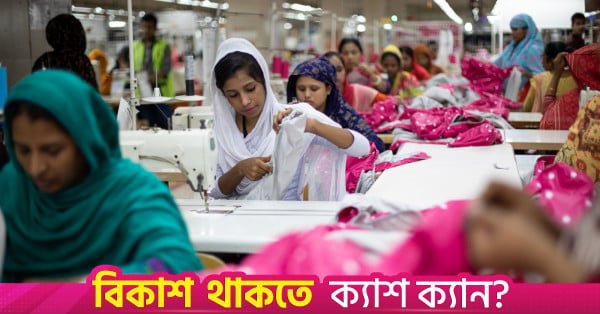
Representational image. File Photo: TBS
“>

Representational image. File Photo: TBS
The government has stopped the import of knit fabrics used by knitwear exporters under its new Import Policy Order, raising concerns among apparel exporters in the sector. They say the move, if implemented, could hurt knitwear exports.
Seeking the withdrawal of the provision, the two organisations representing apparel exporters – the Bangladesh Garment Manufacturers and Exporters Association (BGMEA) and the Bangladesh Knitwear Manufacturers and Exporters Association (BKMEA) – sent a letter to the commerce minister on 1 September.
An emergency meeting on the issue is scheduled to be held at the commerce ministry today.

The ministry has not explained exactly why the decision to stop knit-fabric imports was taken. However, Commerce Minister Khandakar Abdul Muktadir told The Business Standard that local industries have developed the capacity to meet most of the demand for knitwear raw materials. However, some specialised imports are still necessary.
“We will understand the issue better once we hold the meeting,” he said.
Industry stakeholders, however, believe the government has moved to restrict imports as a measure to protect heavily invested local textile mills, which they say are capable of supplying the entire demand for knitwear.
The Import Policy Order recently issued by the commerce ministry states that knit fabrics will not be eligible for import.
However, it allows specialised knit fabrics based on specific buyer requirements – such as man-made fibre fabrics, sportswear fabrics, and functional or technical textiles that are not produced locally – to be imported subject to recommendations from the relevant exporters’ association and certification from the lien bank.
“We have more capacity than the amount of raw materials required for knitwear production. Bangladesh is now the king of knitwear”
Showkat Aziz Russell, president, BTMA
Exporters fear orders could shift
Apparel industry owners say the restriction could hurt exports. They fear buyers may shift orders to other countries if they are unable to have their preferred yarn or fabric supplied.
Mohammad Hatem, president of BKMEA, told TBS, “We do not produce every type of knit fabric here. Some high-value-added knit fabrics need to be imported. In some cases, buyers also supply raw materials on a free-of-cost (FOC) basis. That is why these fabrics need to be imported.”
He said imports are also necessary when imported materials are significantly cheaper than locally produced ones in order to remain competitive.
“Even if we can get the same raw material at a lower price from abroad than in the local market, we will not be able to import it. Then why would buyers place orders here?” he said.
Describing the decision as part of a “deep conspiracy” to put the country’s export-oriented apparel sector in trouble, the Narayanganj-based knitwear exporter said it was urgent to identify those behind the decision.
He said the issue had previously been raised at the ministry, when exporters had protested and explained why imports were necessary.
“Based on our arguments, the then acting secretary of the Commerce Ministry assured us at that meeting that the issue would not be included in the Import Policy Order. We need to know how it eventually made its way into the order,” he said.
Industry stakeholders said around 80% of the yarn and fabric required by the country’s knitwear sector is sourced from local mills, while the remainder is imported. In contrast, local textile mills can supply around half of the raw materials required by the woven garment sector.
Textile millers say local capacity is sufficient
Textile sector entrepreneurs, however, claim they are capable of meeting 100% of the knitwear sector’s demand.
Showkat Aziz Russell, president of the Bangladesh Textile Mills Association (BTMA), told TBS, “We have more capacity than the amount of raw materials required for knitwear production. Bangladesh is now the king of knitwear.”
He said buyers have traditionally dictated sourcing decisions, meaning that even when materials are imported, the benefits go to buyers rather than garment exporters.
“But buyers dictate the sourcing here. So even if imports take place, the benefits do not go to garment exporters; rather, the buyers get the benefit,” he said. “As a result of the government’s decision, buyers will no longer have the opportunity to dictate where raw materials are sourced.”
Bangladesh exports around $39 billion worth of apparel products annually, with more than half coming from knitwear.
About The Author