President says the state can never repay its debt to those killed or injured in the July Mass Uprising
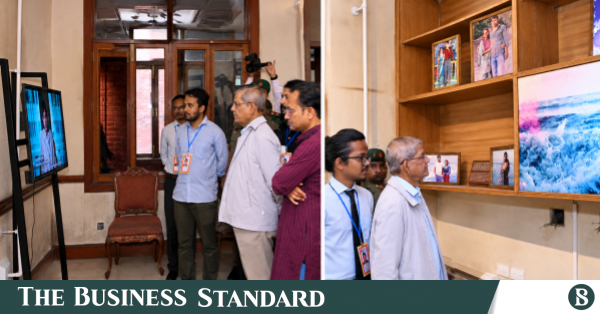
President Mirza Fakhrul Islam Alamgir visits the July Mass Uprising Memorial Museum in Dhaka on 9 September 2026. Photo: PID
“>

President Mirza Fakhrul Islam Alamgir visits the July Mass Uprising Memorial Museum in Dhaka on 9 September 2026. Photo: PID
Bangladesh had been freed from fascist rule and regained democracy, but at a very high price, said President Mirza Fakhrul Islam Alamgir today (9 September).
He made the remarks after visiting the July Mass Uprising Memorial Museum in Dhaka with his wife, Rahat Ara Begum.
“We have been freed from the hands of the fascists and regained democracy, but we have paid a very high price. The state can never repay its debt to the July fighters who were killed or injured,” he said.

He also expressed hope that Bangladesh would never again witness such a tragic and brutal massacre.
The president reached the museum at around 11am, where he was welcomed by Culture Minister Nitai Roy Chowdhury, State Minister for Culture Ali Nawaz Mahmud Khaiyam, Prime Minister’s Adviser for Policy and Strategy
Dr Zahed Ur Rahman, the secretary of the Ministry of Culture, the director general of the July Mass Uprising Memorial Museum and senior officials from the President’s Office and relevant ministries.
After collecting a visitor ticket, Fakhrul toured the “Long Walk to Democracy” walkway, which features historical images depicting different stages of the Liberation War and Bangladesh’s democratic journey.
He also visited a memorial dedicated to those killed during 16 years of fascist rule and a replica of the “Aynaghar”.
The president paid tribute to those killed and injured during the July Mass Uprising and planted a tree on the museum premises.
He later visited sections dedicated to the BDR massacre, the Shapla massacre, torture and enforced disappearances.
Fakhrul became emotional while viewing letters, mementoes and other memorabilia of those killed, as well as exhibits documenting major events of the July uprising and the struggles of students and the public.
He later watched a documentary at the museum’s Monsoon Theatre.
After the visit, the president signed the museum’s visitors’ book.
“Maintaining the spirit of the July Mass Uprising and building a democratic, justice-based, discrimination-free and humane state is the responsibility of all of us,” he wrote.
He said preserving the memories of the uprising and the museum’s role in doing so were extremely important to ensure that future generations could learn its history accurately.
The president prayed for the salvation of the souls of those killed during the uprising and wished for the speedy recovery and wellbeing of those injured and affected.
He said the nation would remember with deep respect the sacrifices of students and members of the public who participated in the July uprising, while offering condolences to the families of those killed and paying tribute to those injured.
Members of the July Museum’s board, including MP Sanjida Islam Tuli, Abrar Elias and Mir Mahbubur Rahman Snigdho, were also present.
During the visit, museum research team members Zubayer Ibn Kamal and Farhan Masud briefed the president on various exhibits and documents.
About The Author