Speaking at a discussion organised by BNP at the Engineers’ Institution auditorium in the capital marking Farakka Long March Day, Rizvi said many Indian politicians have also demanded the barrage be demolished.
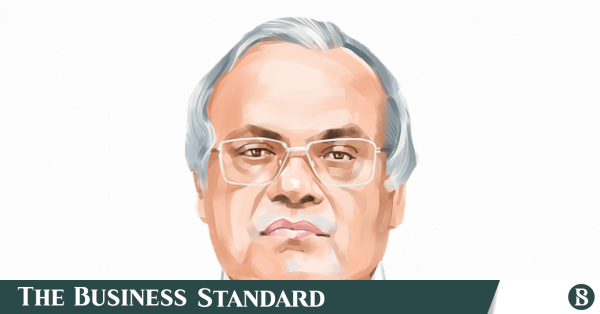
BNP Senior Joint Secretary General Ruhul Kabir Rizvi. Sketch: TBS
“>

BNP Senior Joint Secretary General Ruhul Kabir Rizvi. Sketch: TBS
Ruhul Kabir Rizvi, adviser to the prime minister on political affairs and BNP senior joint secretary general, today (16 May) said the Farakka Barrage in West Bengal harms both Bangladesh and India.
Speaking at a discussion organised by BNP at the Engineers’ Institution auditorium in the capital marking Farakka Long March Day, Rizvi said many Indian politicians have also demanded the barrage be demolished.
BNP Vice-Chairman Shamsuzzaman Dudu said the prime minister has taken various initiatives to solve the country’s water crisis. He said the Farakka treaty will end in December and its renewal will resolve both water and Farakka issues.

Water resource expert Ainun Nishat praised the government’s Padma Barrage initiative, calling it a landmark decision that established legal rights for Bangladesh. However, he said it would take 20 to 30 years for Bangladesh to reap the benefits.
On renewing the Ganges treaty, Nishat said it must be done for eternity, not just a few years. He also stressed the need to influence neighbouring countries to ensure adequate water flow through the Farakka Barrage to Bangladesh.
The Farakka Barrage was constructed by India on the Ganges River, allowing India to unilaterally withdraw water. This caused severe environmental and agricultural damage to northwestern Bangladesh, leading to strong demands from Bangladesh for a fair share of water.
On 16 May 1976, Maulana Abdul Hamid Khan Bhashani led the historic Long March towards the Farakka Barrage to demand fair distribution of Ganges water. His initiative remains a source of inspiration for the people of Bangladesh.
At the same event, BNP standing committee member Gayeshwar Chandra Roy expressed deep concern over the country’s communal situation alongside water and environmental crises. He alleged that the chief minister of India’s West Bengal is inciting communal tensions.
Roy clarified the party’s position on regional politics and relations with neighbouring countries, saying, “We will not fight with our neighbours, but we will not remain in chains of slavery.”
Ainun Nishat said there is confusion between the Farakka Barrage and the Ganges Barrage. He urged the media not to spread misleading or incorrect reports.
He said the water sharing treaty for the Ganges River will expire soon. If a new treaty is signed with India, it would create opportunities for foreign funding. Until a treaty is signed, no international organisation, including the World Bank, will cooperate on this issue.
The discussion was attended by top BNP leaders and prominent citizens. Speakers called on everyone to raise their voices unitedly for the country’s rightful share of river water.
About The Author