The state minister says building confidence, communication skills and awareness of rights is crucial to helping young women achieve economic independence.
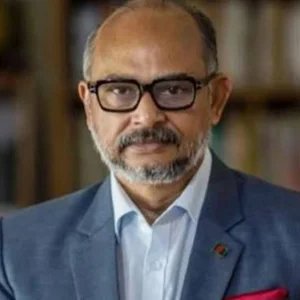
State Minster Bobby Hajjaj. Photo: Collected
“>

State Minster Bobby Hajjaj. Photo: Collected
Families must be involved in efforts to empower adolescent girls and young women outside formal education, as training and employment opportunities alone are not enough to ensure sustainable change, State Minister for Primary and Mass Education Bobby Hajjaj said.
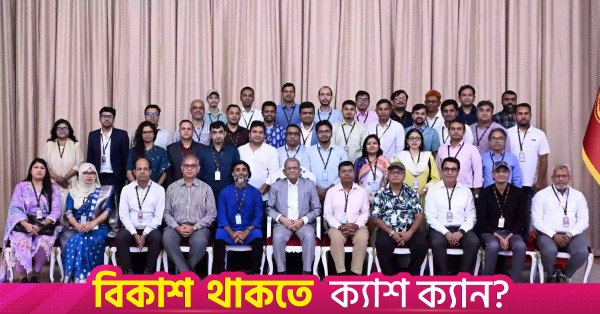
He made the remarks at the closing ceremony of the “Her Skills, Her Future” project at Sheraton Dhaka in Banani today (12 October).
Hajjaj said empowerment initiatives, particularly for women from rural and economically disadvantaged communities, must take their family and social circumstances into account.

He stressed the need to build women’s confidence, awareness of their rights and decision-making skills alongside their vocational and life skills to help them achieve economic independence.
Jointly implemented by the Korea International Cooperation Agency (Koica) and Unicef, the project aimed to equip adolescent girls and young women outside formal education with vocational and life skills aligned with labour market demands and improve their access to employment.
The state minister also stressed the need for integrated programmes addressing women’s personal, educational and economic empowerment.
“Women need to develop self-confidence, understand their rights and gain the ability to make important life decisions alongside efforts to achieve economic independence,” he said.
Hajjaj also highlighted communication skills as essential for women seeking jobs or establishing businesses, saying the ability to present their work, products and services effectively could help them make better use of their skills.
On preventing child marriage, he said family concerns about safety, social pressure and economic uncertainty often contribute to the practice.
“Expanding girls’ access to education, skills development and income-generating opportunities would help them make decisions about their futures,” he added.
He added that legal protection and awareness-raising must go hand in hand with economic empowerment to strengthen women’s position in their families and society.
Unicef Bangladesh Chief of Education Deepa Sankar chaired the event. Unicef Bangladesh Interim Representative Gillian Mellsop and Koica Bangladesh Country Director Jihoon Kim attended as special guests. Representatives from the Ministry of Primary and Mass Education, the Bureau of Non-Formal Education and various public and private organisations were also present.
About The Author