Bangladesh’s aviation sector is poised for a major transformation with the planned opening of the Third Terminal at Hazrat Shahjalal International Airport by 16 December or early 2027.
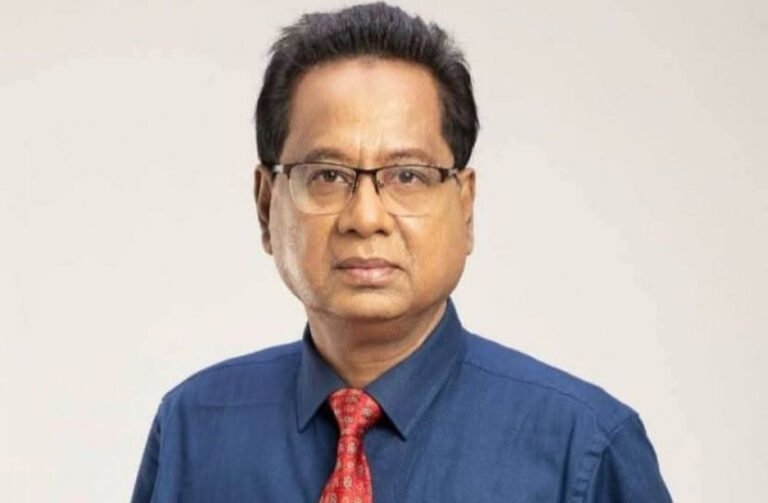
In a recent interview, State Minister for Civil Aviation and Tourism M Rashiduzzaman Millat spoke to our Senior Staff Correspondent Kamran Siddiqui about the Third Terminal, Biman’s expansion plans and the government’s vision for making Bangladesh a regional aviation hub.
What is the latest timeline for the Third Terminal’s opening? What is the progress on the agreement with the Japanese consortium and the revenue-sharing arrangement?

Our target is to open the Third Terminal by 16 December. Both sides have reached a policy-level understanding on the timeline. The agreement with our Japanese partner is now in its final stage.
If it is not signed this month, we expect it to be completed by August. Initially, not all terminal operations may begin simultaneously. We plan to launch passenger services on a limited scale before gradually moving to full-capacity operations. We also placed special emphasis on revising the revenue-sharing structure.
Under the previous agreement, Bangladesh’s share was only 15%. Through several rounds of negotiations with the Japanese government, supported by the Ministry of Foreign Affairs, we first raised it to 22% and later to 27%. We believe this new structure will protect Bangladesh’s financial interests while helping repay the project loans.
Several foreign companies are interested in passenger ground-handling at the Third Terminal. Does the government feel any pressure?
No, we do not feel any pressure. We believe that the more competition there is, the higher the quality of service will be. International companies with extensive experience in airport ground-handling around the world have applied to operate in Bangladesh.
Their expertise can help train our workforce, introduce modern technology and management systems, and provide passengers with better and more affordable services. Companies from Turkey, Singapore, and Switzerland have submitted applications. We will carefully evaluate all proposals and make the decision that best serves Bangladesh’s interests.
What policy support is the government providing to private airlines planning fleet expansion?
The more aircraft that operate in Bangladesh, the greater the revenue our civil aviation sector will generate. Once the Third Terminal becomes operational, it will have the capacity to handle around 2.5 crore passengers annually, compared with the current capacity of around 1.2 crore.
If local private airlines expand their fleets and international operations, the government has no objection. Greater competition will improve service standards and benefit passengers. Many foreign airlines are also applying to operate flights to Bangladesh.
However, airport infrastructure has its limits. Even after the Third Terminal opens, the existing facilities will meet demand only for a certain period. Looking ahead, Bangladesh will eventually require even larger airport infrastructure to accommodate future passenger growth.
There are frequent complaints about baggage theft, lost luggage and passenger services at airports. What is the government’s position?
We maintain a zero-tolerance policy against such incidents. Although isolated cases still occur, we have significantly strengthened monitoring and oversight. Compared with two months ago, complaints of baggage theft and lost luggage have declined compared with earlier periods.
We have instructed the relevant authorities and management boards to maintain constant vigilance so that these incidents can be reduced even further.
What is the government’s plan to transform Biman Bangladesh Airlines into an international-standard carrier?
When we took office, we found that Biman had not received the attention it needed in terms of fleet expansion, service quality and commercial management. We have since reconstituted the board by bringing in experienced business leaders to strengthen governance and improve operational efficiency.
Our strategy is focused on modernising the airline through fleet expansion, better management and skilled manpower. Within months of taking office, the government signed an agreement to purchase 14 Boeing aircraft, and we are also moving forward with a deal to acquire 10 Airbus aircraft. While deliveries of the Airbus aircraft will begin later, these investments will significantly enhance Biman’s long-term capacity. Alongside fleet expansion, we are recruiting cadet pilots, increasing the number of flight crew and strengthening Biman’s internal capabilities.
Our priority has also been to eliminate corruption and irregularities to ensure greater transparency and accountability. Biman currently operates 19 aircraft, which limits its ability to increase frequencies on high-demand international routes. An expanded fleet will enable the airline to add more flights and explore new destinations.
The opening of the Third Terminal, combined with ongoing institutional reforms, will mark a new chapter for Biman. Although the transformation will take time, passengers should begin to see noticeable improvements from next year. Our goal is to build Biman into a competitive, internationally recognised national carrier capable of meeting global service standards.
Senior positions at Biman are often filled by bureaucrats rather than aviation professionals. Are there plans to change this?
We have already appointed a new managing director for Biman. We believe that if experienced aviation professionals had been appointed in leadership positions from the beginning, Biman would be in a much stronger position today.
Our policy now is to appoint qualified aviation professionals to key positions instead of relying on officials assigned from the ministry. We have already instructed the board accordingly, and it is working on implementing this policy.
About The Author