Six-member panel to examine allegations over insulin withdrawal advice
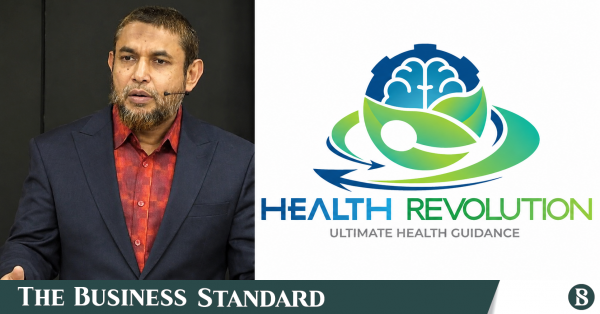
Jahangir Kabir, founder of Health Revolution Ltd, and the organisation’s facility. Photo: Collected
“>

Jahangir Kabir, founder of Health Revolution Ltd, and the organisation’s facility. Photo: Collected
The Directorate General of Health Services (DGHS) has formed a six-member committee to investigate allegations that a diabetic patient died after being advised by Health Revolution Ltd, an organisation founded by physician Jahangir Kabir, to stop insulin and follow a “keto diet” and take supplements.
The committee has been asked to submit its findings within 10 working days.
The DGHS formed the committee on 3 September following a complaint from the Department of Endocrinology at Dhaka Medical College Hospital (DMCH), according to a letter signed by Professor Dr Md Nurul Islam, director of the DGHS’s Hospital and Clinic Branch.

Professor Dr Mohammad Monir-uz-Zaman, principal of Sir Salimullah Medical College and professor of medicine, has been appointed convener of the committee.
Dr Md Mahmudur Rahman, assistant director (Hospital-1) of the DGHS, will serve as member secretary.
The other members are Dr MA Halim Khan, associate professor of endocrinology at Shaheed Suhrawardy Medical College Hospital; Dr Hasan Hafizur Rahman, associate professor of medicine at DMCH; Dr Hurjahan Banu, associate professor of endocrinology at Bangladesh Medical University; and Dr Azimunnesa Shyuli, assistant professor of endocrinology at BIRDEM Hospital.
The committee has been instructed to submit a report within 10 working days assessing the allegations and determining the facts surrounding the patient’s treatment.
According to the complaint filed by Professor Dr Indrajit Prasad, head of DMCH’s Department of Endocrinology, and other doctors of the department, 36-year-old Sumi Begum had been suffering from diabetes for a long time and regularly used insulin as prescribed by doctors.
The complaint said Sumi came across Health Revolution Ltd online and subsequently sought treatment from the organisation.
According to the complaint, she was advised to stop insulin and all other ongoing medicines and was instead given a restrictive “keto diet” plan. She was also allegedly provided with expensive supplements that the doctors described as unnecessary and unauthorised.
The complaint said Sumi followed the advice and stopped taking insulin.
She subsequently developed severe diabetic ketoacidosis (DKA), a life-threatening complication of uncontrolled diabetes, and was admitted to the endocrinology department of DMCH on 2 February 2026, according to the complaint.
She died while undergoing treatment on 9 February from complications related to DKA, it said.
The doctors alleged that the patient suffered financial losses and serious health complications as a result of what they described as inappropriate treatment.
The DGHS investigation will examine the treatment provided, the allegations regarding discontinuation of insulin and use of supplements, and whether any professional or regulatory violations occurred.
About The Author