Heat exposure cost 29.3 billion potential work hours, worth $15.8b.
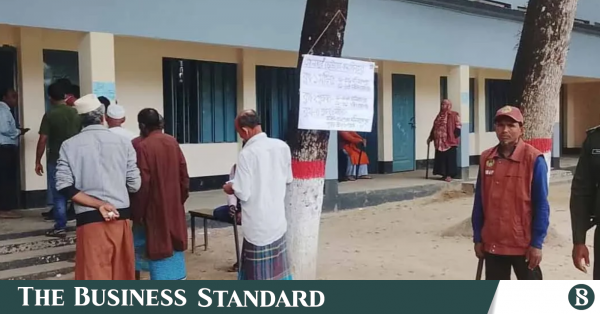
Bangladesh is one of the most vulnerable countries due to climate change. Photo: Collected
“>

Bangladesh is one of the most vulnerable countries due to climate change. Photo: Collected
Bangladesh loses an estimated $20.7 billion annually due to climate-sensitive health risks, according to a new study by the Knowledge Hub Institute (KHI).
Titled “Multi-Dimensional Health Impacts of Climate Change in Bangladesh: Pathways, Costs and Policy Implications”, the report was released at BRAC Centre in Dhaka yesterday.
The study found that the economic burden is equivalent to 4.6% of the country’s GDP in 2024, while inadequate public spending, weak implementation of climate-related health programmes and the absence of a dedicated national heat-health action plan are leaving the country poorly prepared to address the risks.

The analysis of weather data from eight divisional headquarters shows that the number of days with temperatures reaching at least 36°C roughly doubled between the 2000s and the 2020s.
The study estimates that $1 billion to $3.3 billion of the annual burden can be linked specifically to observed warming, while the broader estimate covers multiple climate-sensitive hazards, including heat, vector-borne and waterborne diseases, disasters and air pollution.
Heat takes the biggest economic toll
Heat is the largest contributor to the estimated economic burden. Bangladesh lost approximately 29.3 billion potential working hours due to heat exposure in 2024, representing an estimated economic loss of $15.8 billion, the report said.
Farmers and agricultural workers accounted for nearly two-thirds of the lost working hours. The health consequences extend beyond heatstroke. Modelled estimates cited in the report link high temperatures to approximately 16,000 deaths in 2023.
Research reviewed in the study also found higher levels of diarrhoea and heat exhaustion on very hot days.
Despite these risks, Bangladesh lacks a dedicated national heat-health action plan and a systematic mechanism for recording heat-related illnesses and deaths, the report noted.
Speaking at the event, State Minister MA Muhit said rising heat and humidity were becoming major public health concerns and called for coordinated action.
Climate risks fuel disease and disrupt healthcare
The study also found a significant relationship between warmer weather and dengue admissions. Districts experiencing temperatures 1°C higher than others over a four-week period recorded approximately 21% more dengue hospital admissions two weeks later, the study found.
The findings suggest that weather and disease surveillance could help authorities anticipate outbreaks and prepare hospitals before admissions rise.
Climate disasters are also disrupting healthcare access. Between 2019 and 2024, disasters caused an average of 416 deaths annually, while floods and cyclones damaged 824 health facilities in 2024 alone.
Air pollution adds to the health burden. Modelled estimates cited in the study associate particulate pollution with approximately 263,000 deaths in Bangladesh in 2023. A separate estimate links fossil-fuel pollution to 30,600 deaths in 2022.
Funding and preparedness fall short
The report highlighted a mismatch between the scale of climate-related health risks and the resources available to address them.
Households paid approximately 79% of current health expenditure in 2023, leaving families exposed to medical expenses at a time when climate-related illness can also reduce their earnings.
Meanwhile, the Health Services Division spent only 24% of its climate-relevant allocation in the fiscal year 2024-25.
KHI President Khondaker Golam Moazzem said Bangladesh had developed several climate policies, but their health implications remained inadequately addressed.
He called for sector-specific heat protection guidelines, district-level heat and health action plans, better utilisation of health budgets and adequate financing for the Health National Adaptation Plan.
He also stressed the need to raise the issue of climate finance in international negotiations, including COP31.
The report recommends introducing a national heat-health action plan before the 2027 hot season, linking weather alerts to specific actions in hospitals and upazila health complexes. It also calls for workplace guidelines on rest, drinking water, shade and working hours, as well as improved preparedness for floods and disease outbreaks.
About The Author