Activity in this segment has declined by 50-60% over the past two years, while demand from the housing sector has fallen by 30-35%, he said.
Representational image. Photo: Collected
“>

Representational image. Photo: Collected
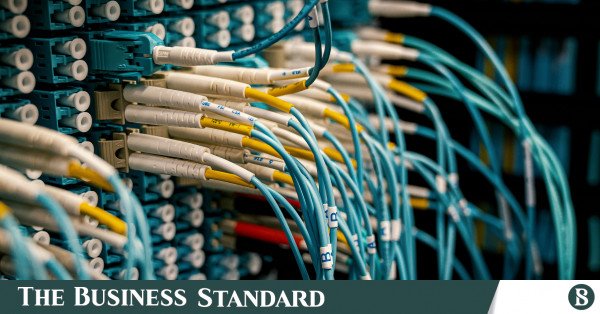
Bangladesh’s cable industry, backed by more than Tk10,000 crore in investment, faces a deepening crisis as falling public infrastructure spending, a housing slowdown, and high borrowing costs have shrunk the market by around 25% in just two years, forcing factories to shut and workers unpaid.
The market, which exceeded Tk12,000 crore in 2022, has fallen to an estimated Tk8,000-9,000 crore, according to industry insiders. More than 100 manufacturers are now competing for fewer orders, with smaller firms struggling to survive amid rising costs and limited access to bank financing.
More than 30% of the market depends on government projects, Md Rafiqul Islam Rony, director (marketing) of BRB Cable Industries, told TBS.

Activity in this segment has declined by 50-60% over the past two years, while demand from the housing sector has fallen by 30-35%, he said.
Infograph: TBS
“>

Infograph: TBS
“Production costs have increased, but prices in the market could not be raised accordingly,” Rony said.
The downturn marks a sharp reversal for an industry that expanded from around Tk2,000 crore in 2008 to more than Tk12,000 crore in 2022, driven by electrification, industrialisation, housing and public investment.
Walton Cables Head of Business Raju Ahmed said cable manufacturing requires substantial working capital because producers must import copper, aluminium, resins, and other raw materials, often before receiving payments from customers.
Slower sales and higher borrowing costs have made it increasingly difficult to sustain production, he said, adding that the cable market has fallen by around 25% over the past two years.
Factories shut, losses mount
Paradise Cables, which once supplied around 40% of domestic demand and exported to 24 countries, has been among the hardest hit.
Managing Director Mobarak Hossain said the company could no longer sustain operations amid loan defaults, difficulties in opening letters of credit (LCs), and mounting competitive pressure.
Production has remained suspended since December 2024, he said, adding that workers are owed 25-30 months of wages, while AB Bank has put the factory up for auction over outstanding dues of around Tk200 crore.
BBS Cables has also suffered a dramatic reversal. The company earned Tk145 crore in after-tax profit in 2019 but reported a net loss of Tk86 crore in FY25, according to its published financial results.
Company officials attributed the deterioration to falling orders, the loss of major government tenders, difficulties importing raw materials and higher financing costs. One official said revenue had declined by around 46%.
Bank interest rates of 12-16%, taka depreciation against the US dollar, and inadequate LC facilities have further squeezed manufacturers, industry officials said.
Partex Cables, Citizen Cables, Golden Cables, and Sun Cables have also faced financial pressure and production disruptions, according to industry sources.
Big players strengthen positions
The contraction is intensifying competition, favouring companies with stronger balance sheets and wider distribution networks.
BRB Cable Industries remains the market leader, with more than 30% of the market, according to company and industry estimates. It directly employs more than 10,000 people.
RFL Managing Director RN Paul said smaller manufacturers were increasingly struggling to maintain product quality and secure LCs for raw-material imports as large corporate groups expanded their operations.
Bizli Cables, a concern of Rangpur Metal Industries under PRAN-RFL Group, has emerged as a major competitor. Paul estimates that it controls around 30% of the power-cable market and 25% of the domestic-cable segment.
The company has invested around Tk220 crore in four factories at Habiganj Industrial Park and another Tk60 crore in a medium-voltage plant, which added an annual capacity of 4,000 tonnes.
Walton entered the industry in late 2019 to supply its appliance business and has since developed research and quality-control capabilities and started exporting.
AkijBashir Group announced an investment of more than Tk300 crore in January 2026 to manufacture domestic, industrial and communication cables, with plans to create around 500 direct and indirect jobs.
Walton Cables’ Raju expects the pressure to continue for another year or two but sees potential for recovery as infrastructure projects resume and power transmission increasingly shifts towards underground and medium-voltage cables.
However, further investment could deepen overcapacity and intensify price competition while existing manufacturers operate below capacity, he said.
Imports, cheap products add pressure
Bangladesh remains dependent on imported cables, particularly for specialised and medium-voltage applications. Earlier industry estimates put imports at 30-35% of domestic consumption, while local producers meet only around 20% of medium-voltage demand, Paul said.
Industry representatives estimate average duties on imported raw materials at around 40%, compared with around 45% on finished cables, although actual rates vary by tariff classification.
They argue that qualified local manufacturers should receive fair opportunities to compete for foreign-funded public projects.
Low-priced, non-branded cables are another concern. Earlier estimates put this segment at more than Tk1,000 crore, compared with around Tk8,000 crore for branded products, though the figures are not a verified current market breakdown.
Md Anisur Rahman, president of the Bangladesh Electrical Cables Manufacturers Association, said unauthorised production and imports remained difficult to control.
Consumers often choose cheaper products without checking whether they meet the required technical specifications, he added.
About The Author